Curious Minds
Here you will find an overview of the Curious Minds who are making a difference, whether as professors or fellows, and who are supported by Wübben Stiftung Wissenschaft.
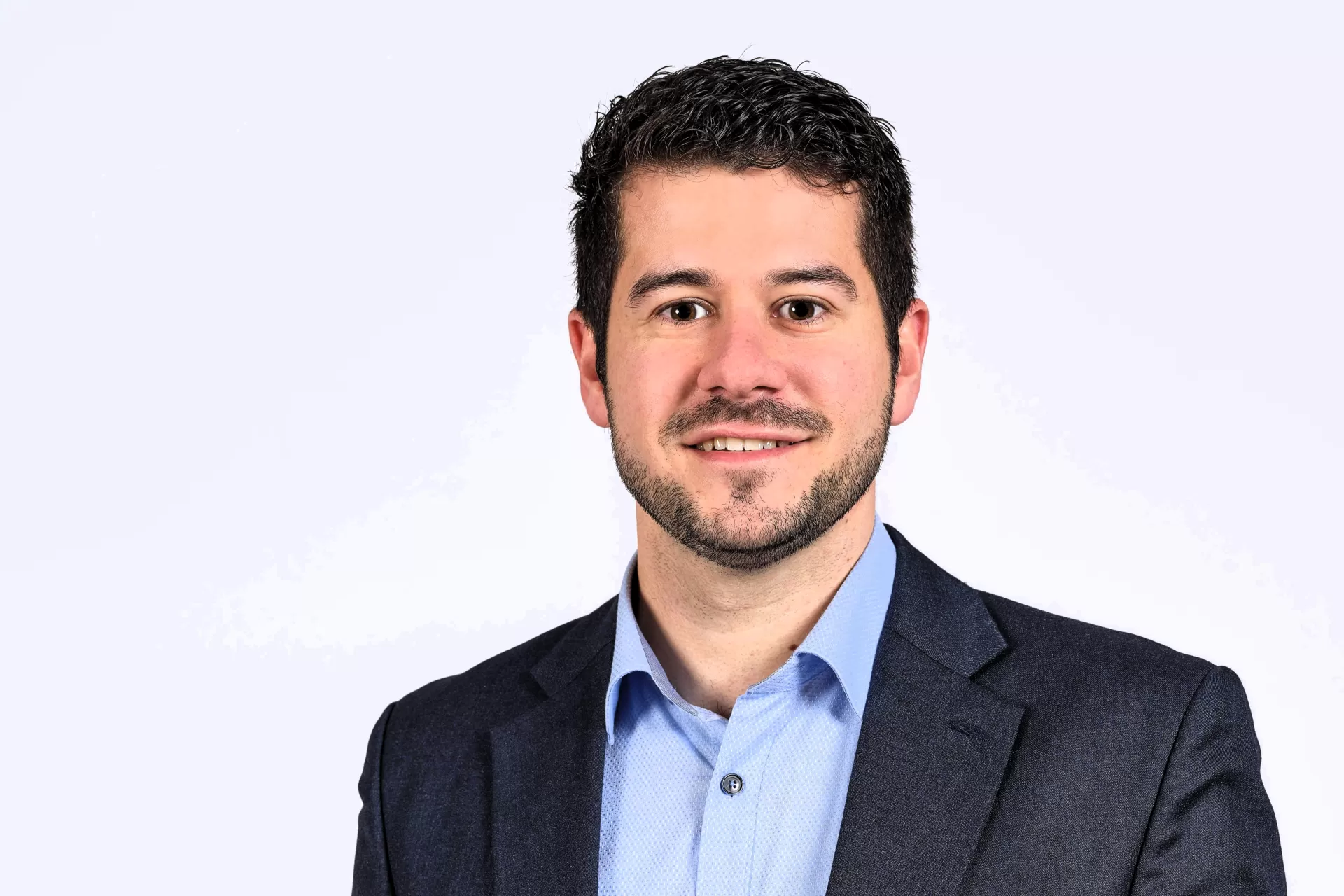
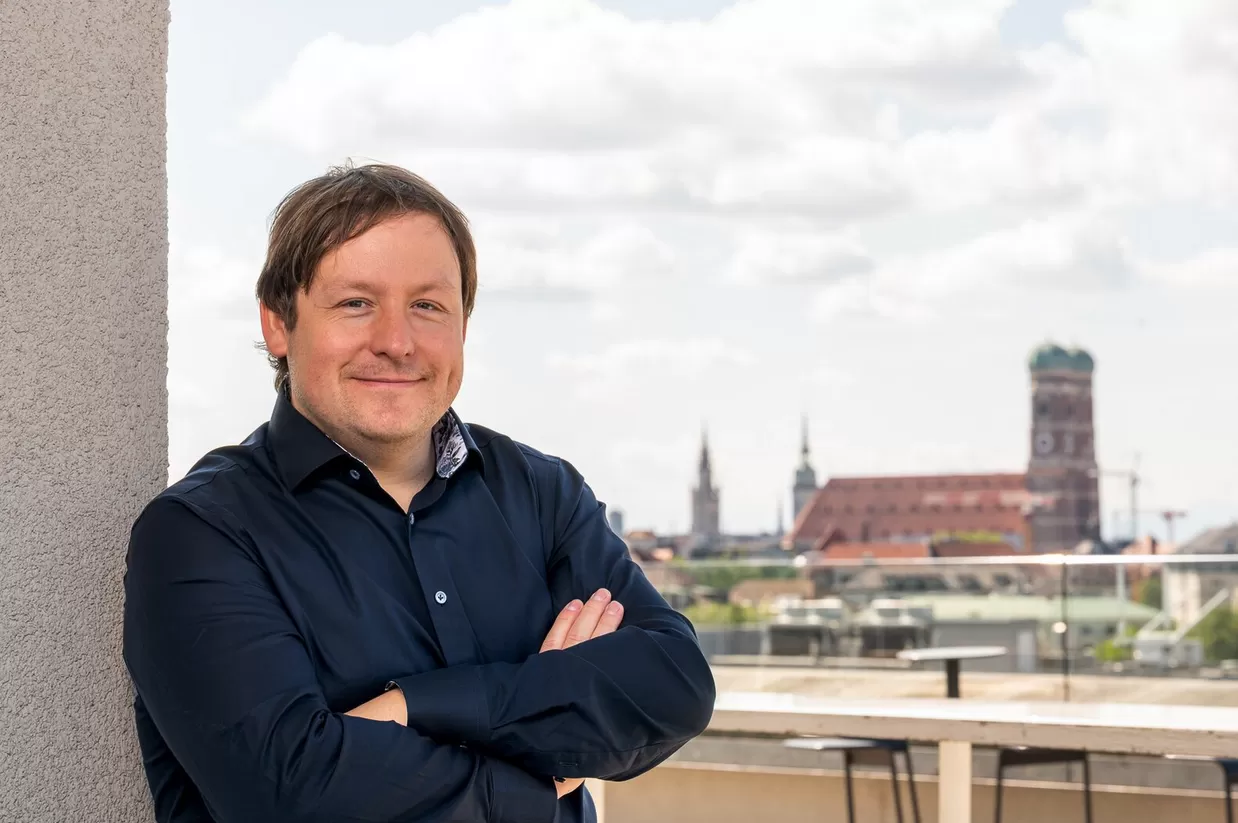
David Finken, Technische Universität München: Creating Value through Technological Innovation
Starting in December 2025, David Finken will establish the newly created tenure-track professorship for Marketing & Technology at TUM. The position is interdisciplinary in nature, combining insights from social psychology and organizational science with practical applications. The goal is to provide concrete recommendations for decision-makers and to demonstrate how innovations through immersive technologies and artificial intelligence can be harnessed profitably. David Finken’s academic career includes positions at prestigious institutions in the United States, South Korea, Switzerland, and France. In addition, he brings extensive industry experience and participates in projects that promote knowledge transfer between academia, business, and society.
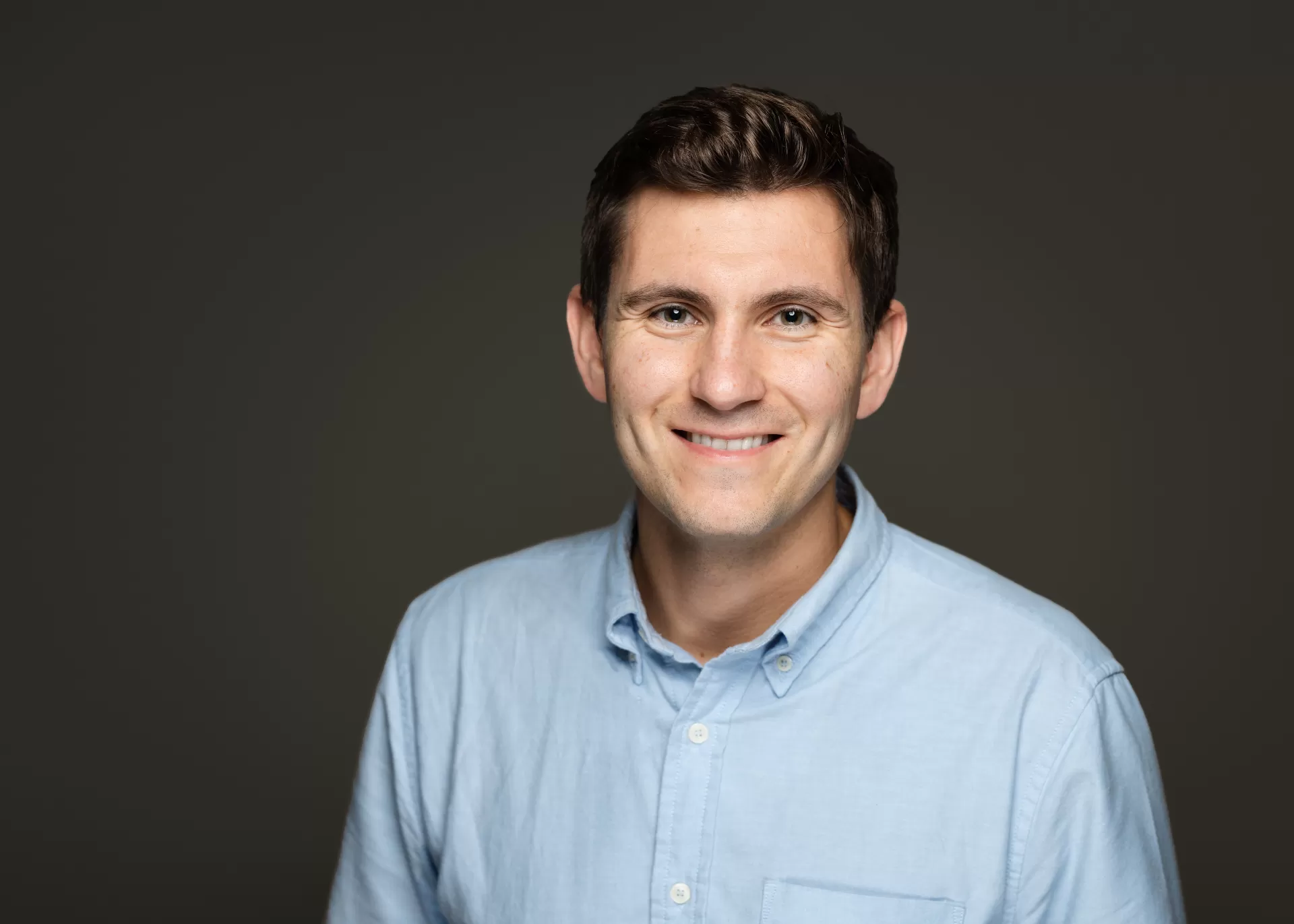
Nicholas Güsken, Universität Paderborn: quantum communication
Nicholas Güsken, a physicist and nanotechnologist, has moved from Stanford University to Paderborn, where he will build up the Quantumphotonics & Optoelectronics Research Group, working on tunable light-matter interactions. He studies how light can be controlled with targeted interventions in order to develop new technologies for quantum networks and quantum communication. It is possible for certain materials to interact with light in ways that allow light particles to be used for the transmission of information between quantum nodes. Güsken wrote his PhD thesis on light-matter interactions at Imperial College London and held a Leopoldina fellowship at Stanford, where he conducted research into optical interfaces. His appointment has been facilitated by cooperation between Paderborn University, Wübben Stiftung Wissenschaft, and the Returning Scholars Program of the State of North Rhine-Westphalia.

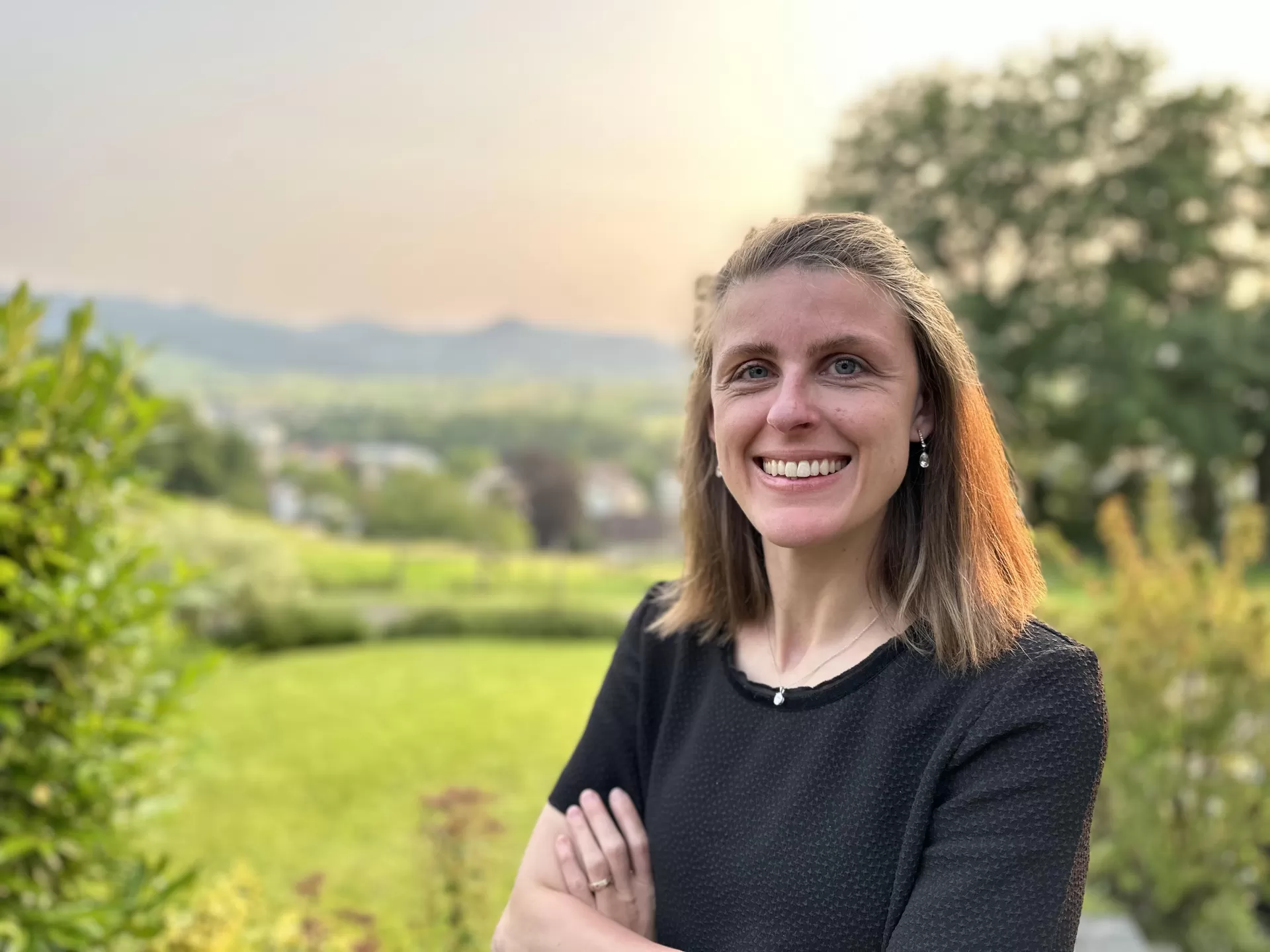
Nadine Leisgang, Philipps-Universität Marburg: quantum materials
The professorship assumed by the physicist Nadine Leisgang is also devoted to quantum research. She will be working at Marburg University, researching novel quantum systems based on extremely thin, “two-dimensional” materials. These can be stacked in layers like building blocks and are characterized by their exceptionally intense light interactions. They are consequently well suited for optoelectronic applications – such as particularly small light-emitting diodes or quantum communication components. Her research requires highly specialized equipment for the production, structuring, and analysis of these materials. Leisgang has received a number of awards and can look back on more than ten years’ involvement in international research. Most recently, she has been working as a postdoctoral research fellow at Harvard University.
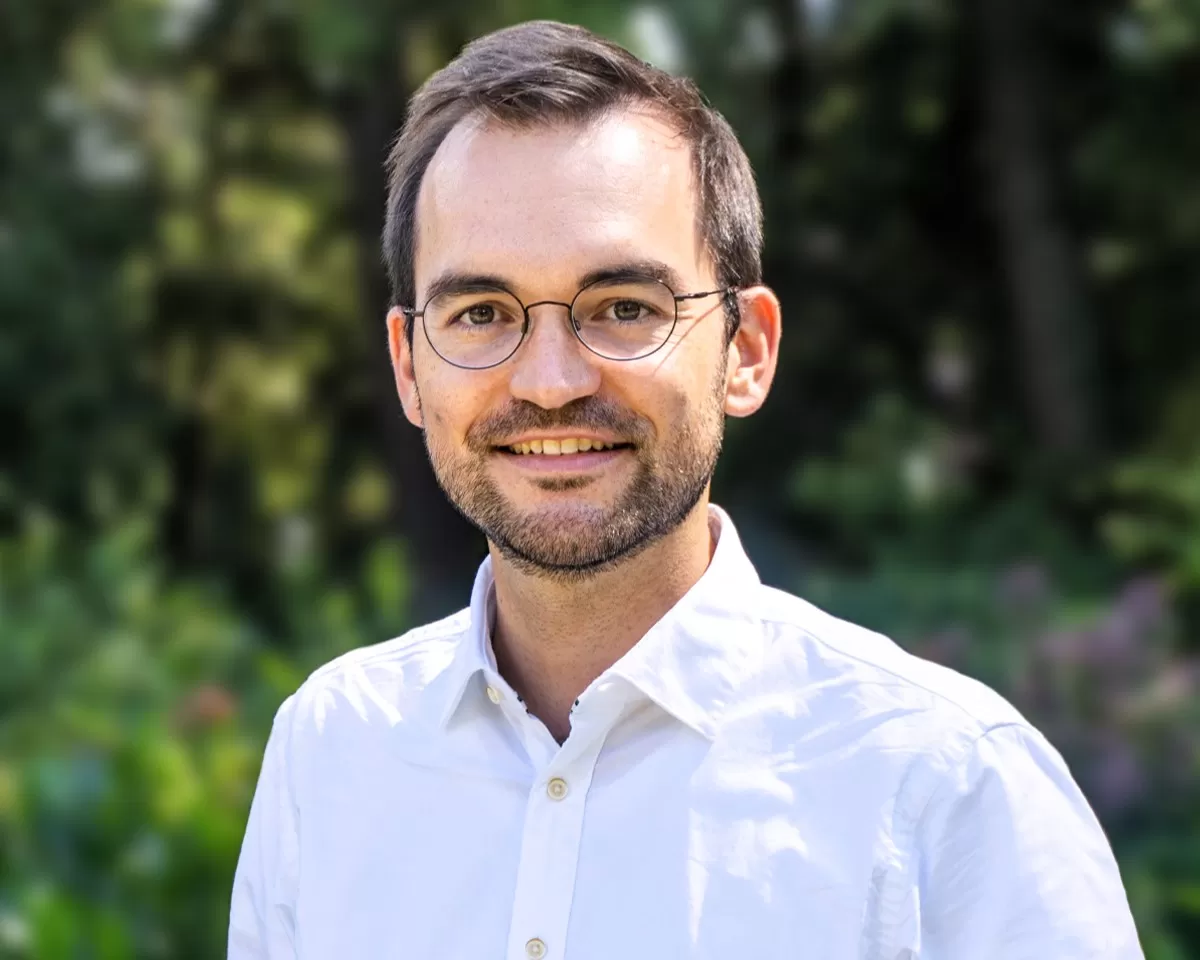
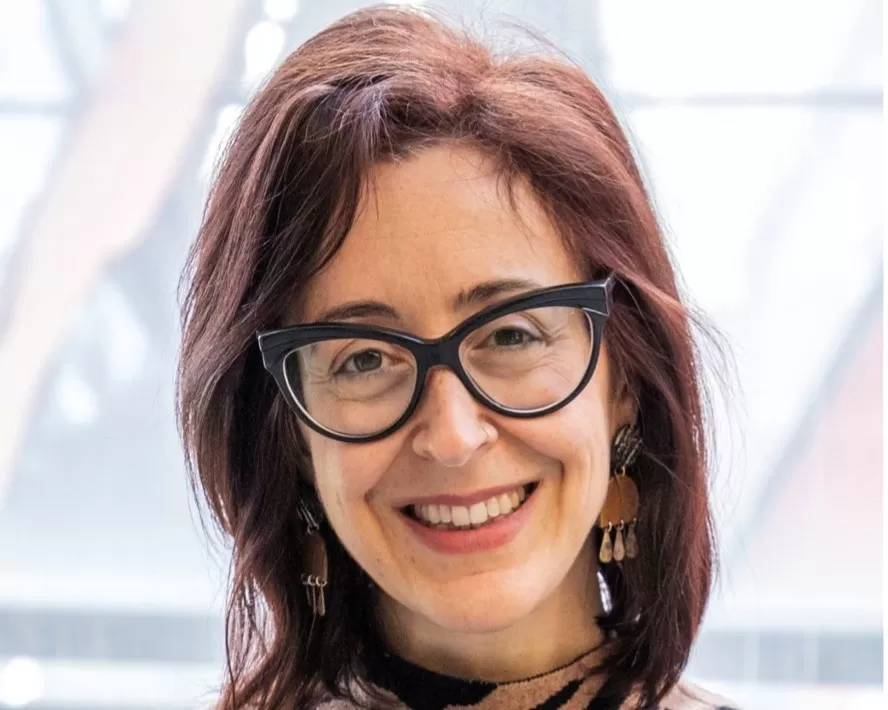
Violeta Moreno-Lax, Hertie School: value conflicts
Violeta Moreno-Lax, a world-leading expert in international and EU law, has moved to the Hertie School in Berlin, where she has been appointed Professor of International Law and Director of the Centre for Fundamental Rights (CFR). As the CFR’s Director, Moreno-Lax will engage in research on value conflicts at the international level – one of the key global fault lines of our time. Values shape political debates, influence election outcomes, and affect the stability of political systems. Violeta Moreno-Lax intends to analyze these dynamics from legal, political, and ethical perspectives – with a particular focus on migration. She was Professor of Law at Queen Mary University of London, where she founded the (B)OrderS Centre for the Legal Study of Borders, Migration and Displacement. Before moving to the Hertie School, she held the ICREA Research Professorship in International and European Law at the University of Barcelona. Her work has been cited by leading courts, including the Court of Justice of the European Union and the Belgian Council of State.
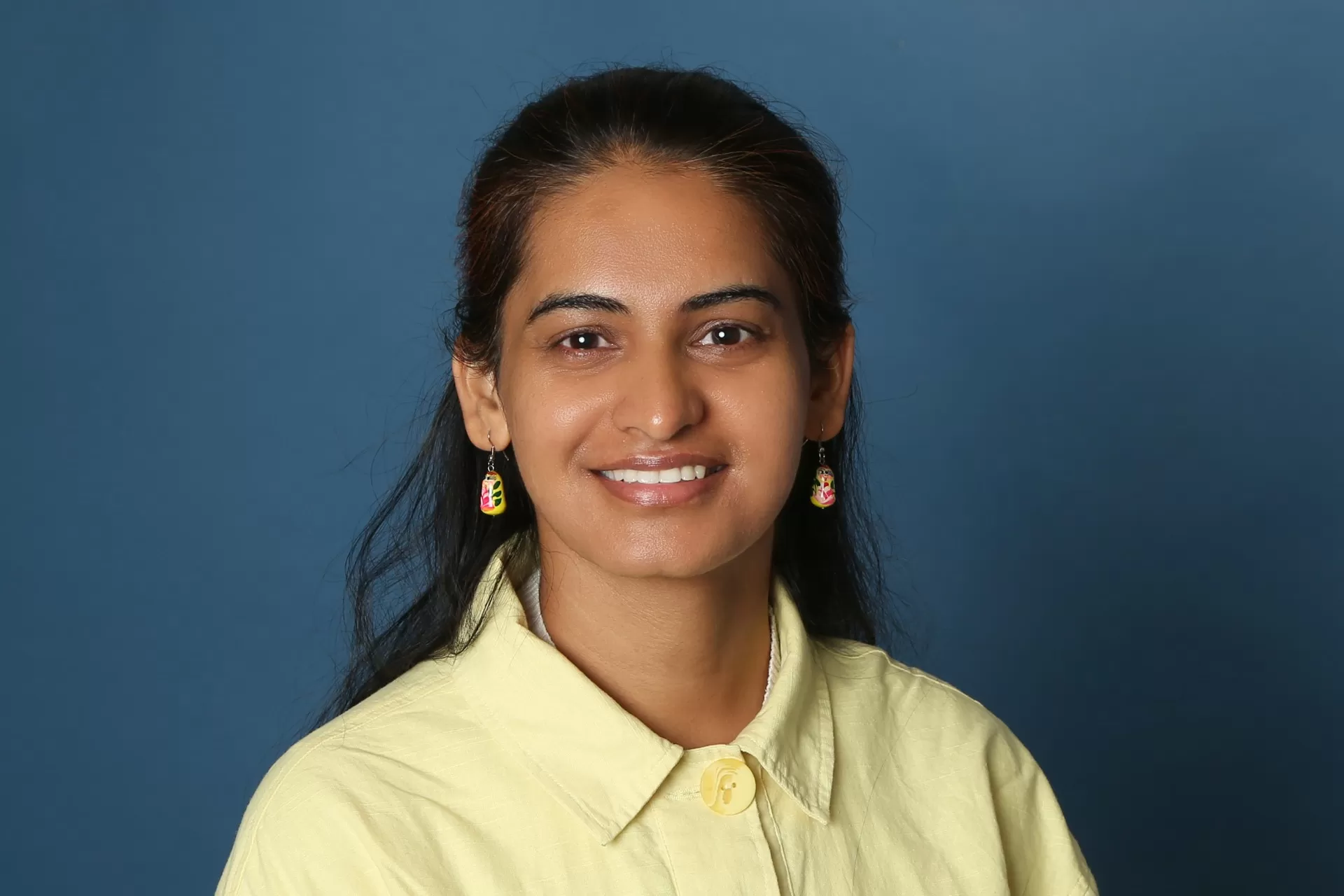
Pooja Rani, Universität Mannheim: Developing software with and for people
Pooja Rani designs tools and methods to improve the quality and efficiency of software source code, with a focus on energy performance and maintainability. Her research is highly relevant for fields such as healthcare, scientific computing, and cyber-physical systems like driver assistance technologies. She combines software engineering techniques with artificial intelligence (AI) and natural language processing (NLP) to automate complex software development tasks such as writing, evaluating, and maintaining software systems more efficiently. Her goal is to develop AI models and assistant systems that reduce developers' workload and improve software reliability. Beyond automation, she also investigates the human side of software development. She will move from the University of Zurich to the University of Mannheim and take up the Professorship of Computer Science there on April 1, 2026.
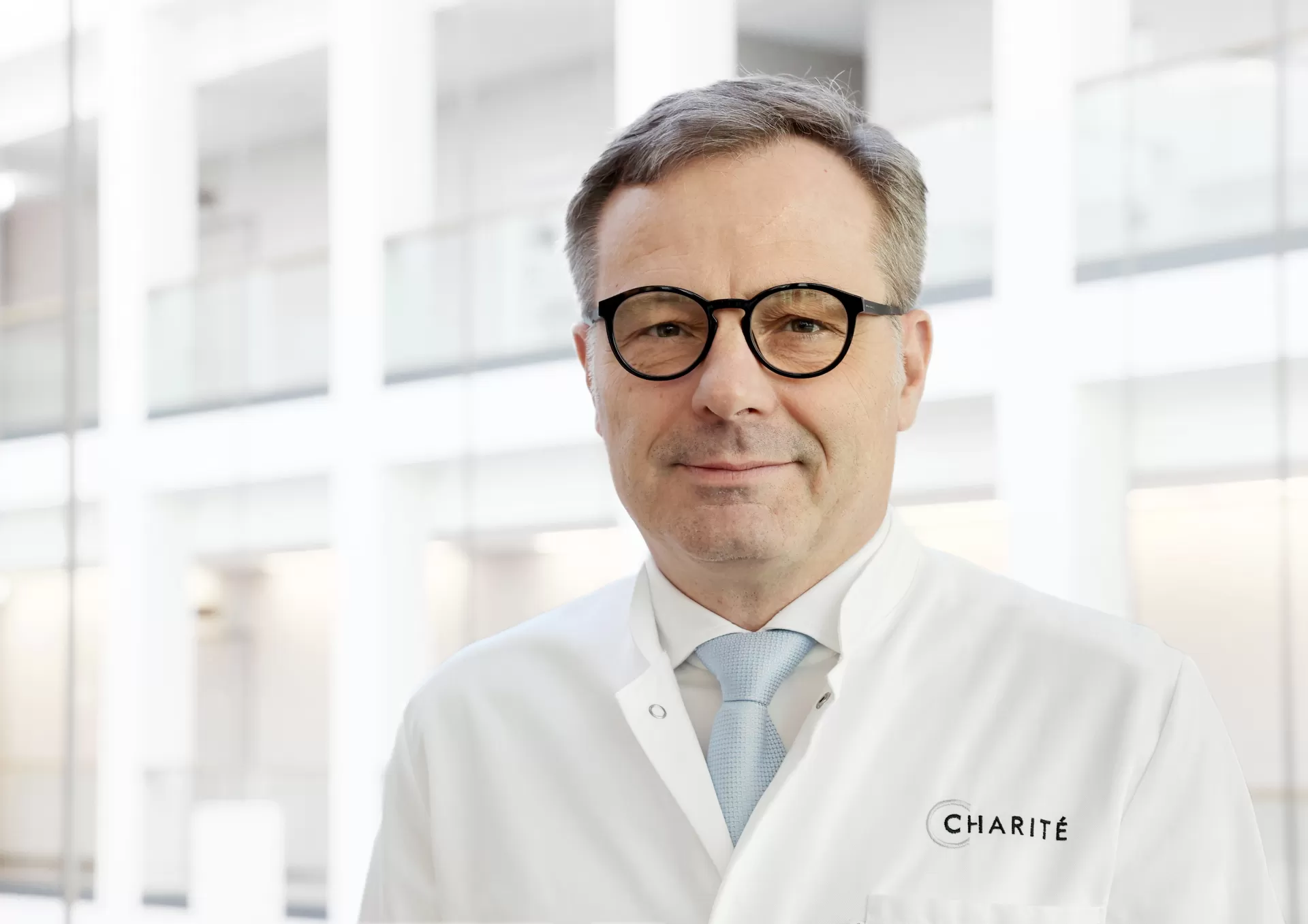
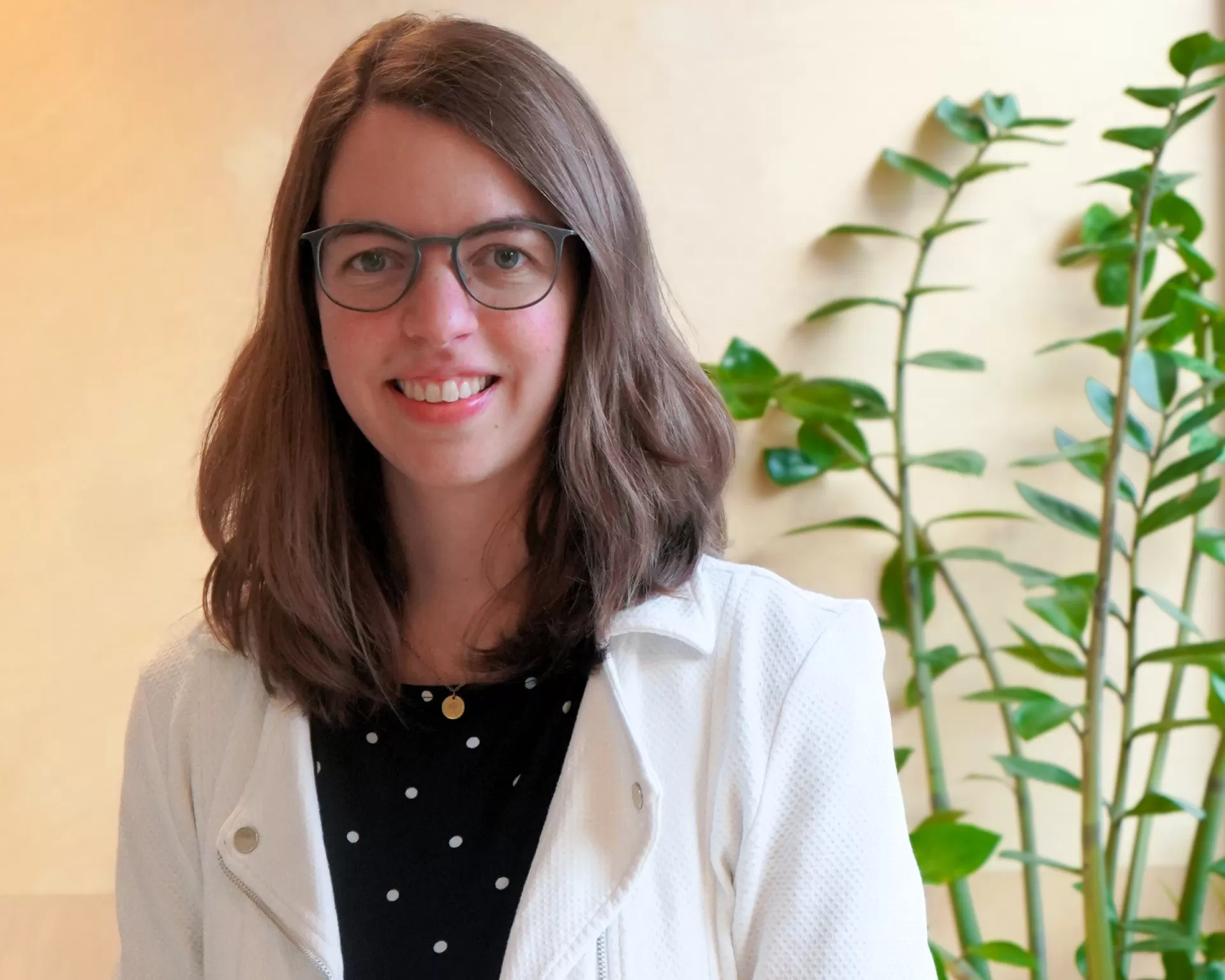
Erna Wieduwilt, Universität Duisburg-Essen: degrading plastic with copper enzymes
The chemist Erna Wieduwilt will be pursuing research into the enzymatic degradation of plastics at the University of Duisburg-Essen. Her approach integrates crystallography, machine learning, enzymology, and computer-assisted chemistry. She utilizes enzymes that break down biomass and are also able to split synthetic polymers – the goal being to develop them further for plastic recycling. Her innovative work holds out the prospect of significant progress being made in the treatment of the growing volumes of plastic waste. Wieduwilt most recently worked as a postdoctoral fellow at the University of Southern Denmark under a Marie Skłodowska-Curie Fellowship. She gained her PhD at the University of Lorraine in France. Alongside support from Wübben Stiftung Wissenschaft, the Returning Scholars Program of the State of North Rhine-Westphalia has helped fund her appointment.