Wübben Stiftung Wissenschaft enables six high-profile international appointments from the US, the UK, France and Switzerland
Wübben Stiftung Wissenschaft is providing 6.7 million euros to support the appointment of six internationally renowned scientists to German universities. Their fields of expertise include marine research, evolutionary biology, theoretical physics, theoretical chemistry, materials chemistry, and robotics. The researchers come from the University of Bristol, the Université de Strasbourg, Swansea University, ETH Zurich, the Woods Hole Oceanographic Institution in Massachusetts, and a U.S. solar panel company. These international appointments are intended to strengthen strategically important research areas at German universities.
“Through our funding programs, we enable universities to make offers to leading international researchers that are often decisive in persuading them to move to Germany”, says Marion Müller, Managing Director of Wübben Stiftung Wissenschaft. The foundation not only covers personnel and equipment costs, but also supports onboarding and dual-career measures for the researchers and their families. Such support is particularly crucial for appointments from abroad, as many researchers are familiar neither with the German language nor with the structures of the German academic system. 15 percent of the total funding amount is made available for onboarding measures.
These are the funded appointments:
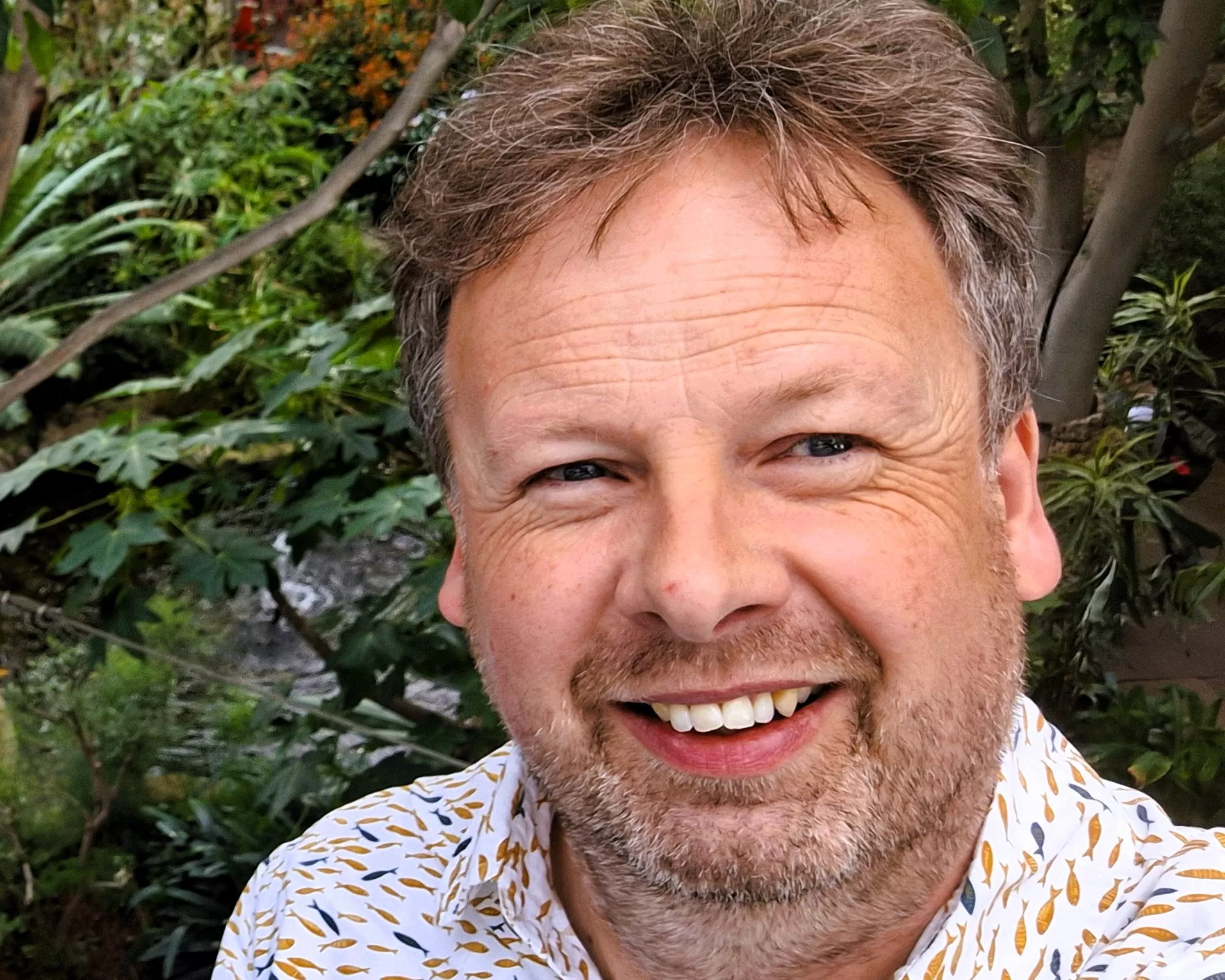
Bielefeld University
Gert Aarts: From strongly interacting matter to machine learning and back
How does matter behave under extreme conditions when its constituents interact very strongly with one another? This is one of the major unresolved questions in physics. To help answer it, Bielefeld University has appointed theoretical physicist Gert Aarts from Swansea University. He uses the theory of Quantum Chromodynamics (QCD) to explain the interactions between the fundamental building blocks of matter. However, the predictions of QCD often cannot be calculated using simple mathematical methods. As a result, sophisticated simulations on powerful supercomputers are required. More recently, artificial intelligence has emerged as a powerful new tool in this field. Aarts is developing generative AI methods to complement established Monte Carlo simulation techniques, enabling new approaches to studying strongly interacting matter. At the same time, he explores how ideas from theoretical physics can inspire the development of next-generation AI methods, creating a productive exchange between fundamental physics and artificial intelligence.
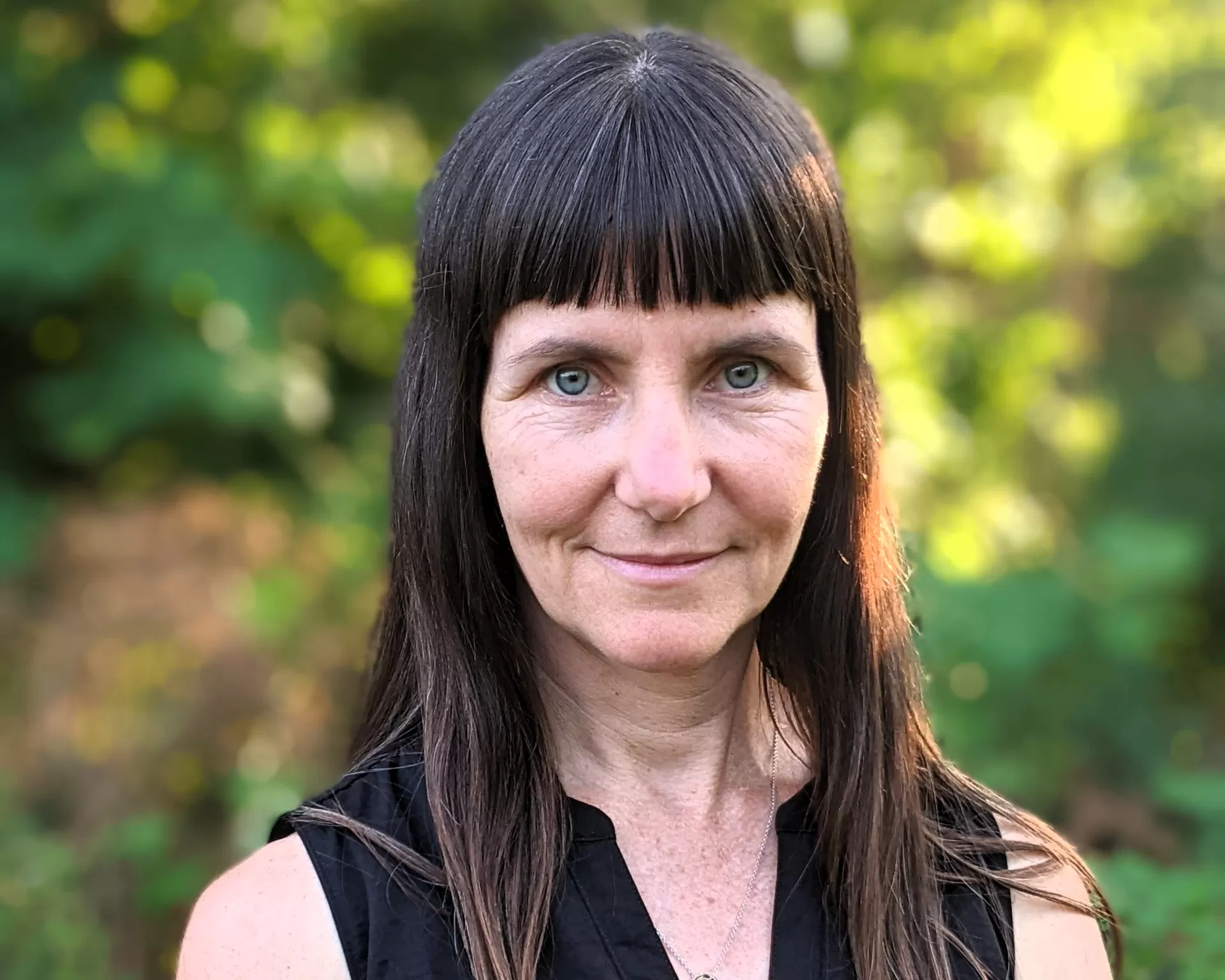
Johannes Gutenberg University Mainz
Sinead English: Life history and evolutionary responses to environmental change
Evolutionary biologist Sinead English is moving from the University of Bristol to Johannes Gutenberg University Mainz. Her research focuses on how environmental conditions across life stages and generations influence health, reproduction, and disease transmission. Her work bridges evolutionary biology, public health, and climate science. By combining theoretical models, experiments, and comparative studies, she investigates the evolutionary dynamics of pregnancy, the effects of prenatal stress, and the life histories of disease vectors. Her research goals are, first, to develop new insights into life history evolution and, second, to explore its relevance for global challenges, including how animals will cope with rapid environmental change.
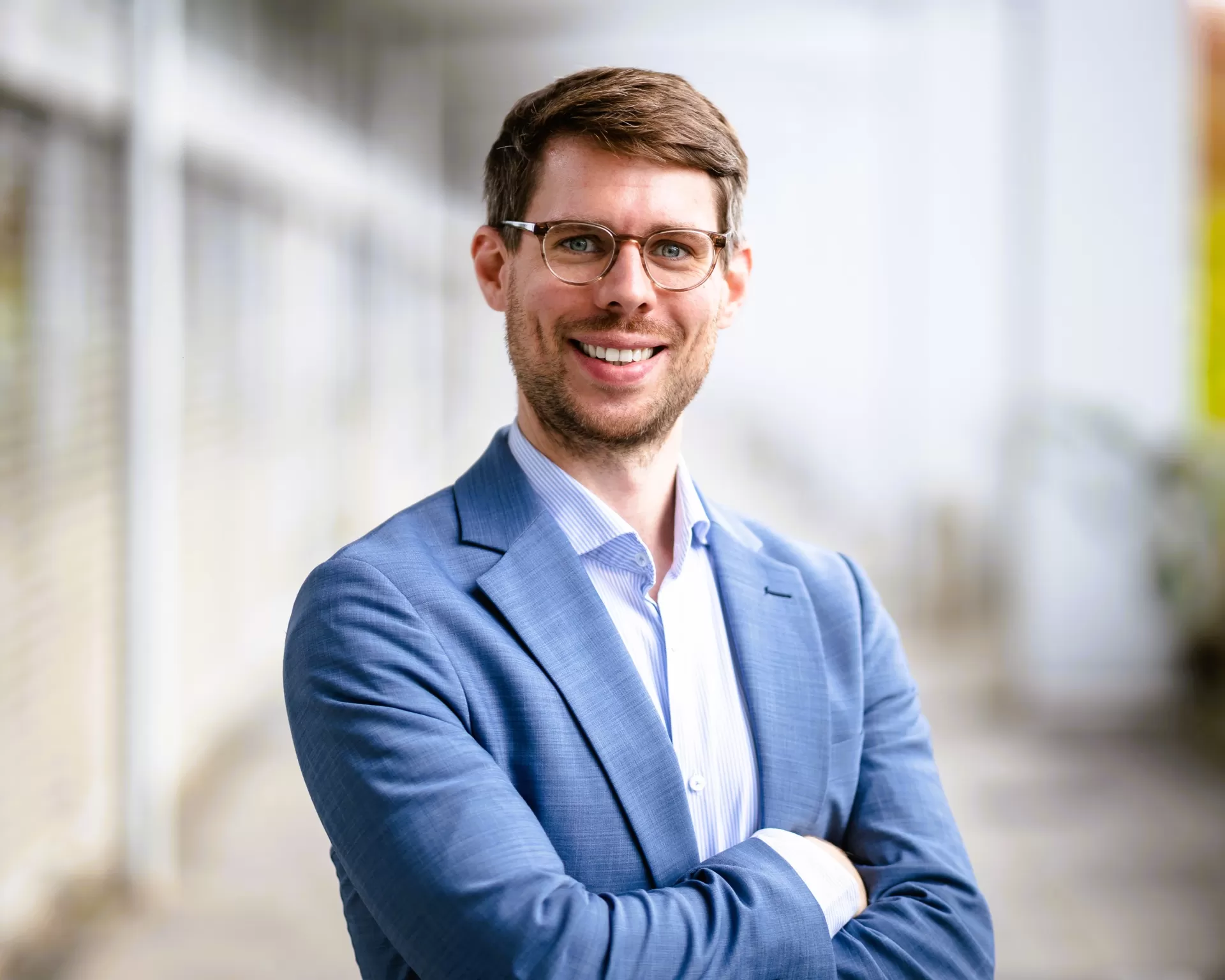
Technical University of Dortmund
Matthias Grotevent: Nanomaterials for the energy transition
The chemist Matthias Grotevent develops innovative nanomaterials for the energy transition and miniaturized optical technologies. His research could fundamentally simplify the production of nanomaterials, enable more powerful and cost-effective solar cells, and open up new applications in wearable electronics and small satellites. Among other long-term goals, he plans to develop a fully miniaturized infrared spectrometer that achieves the sensitivity required for everyday use and can be integrated into smartphones. Grotevent combines excellent basic research with industry experience. He conducted research at ETH Zurich, the Swiss research institute Empa, and the Massachusetts Institute of Technology (MIT) in the group of Chemistry Nobel laureate Moungi G. Bawendi. Before moving to Dortmund, he was Director of Research at a U.S. startup company specializing in flexible solar modules.
University of Bonn
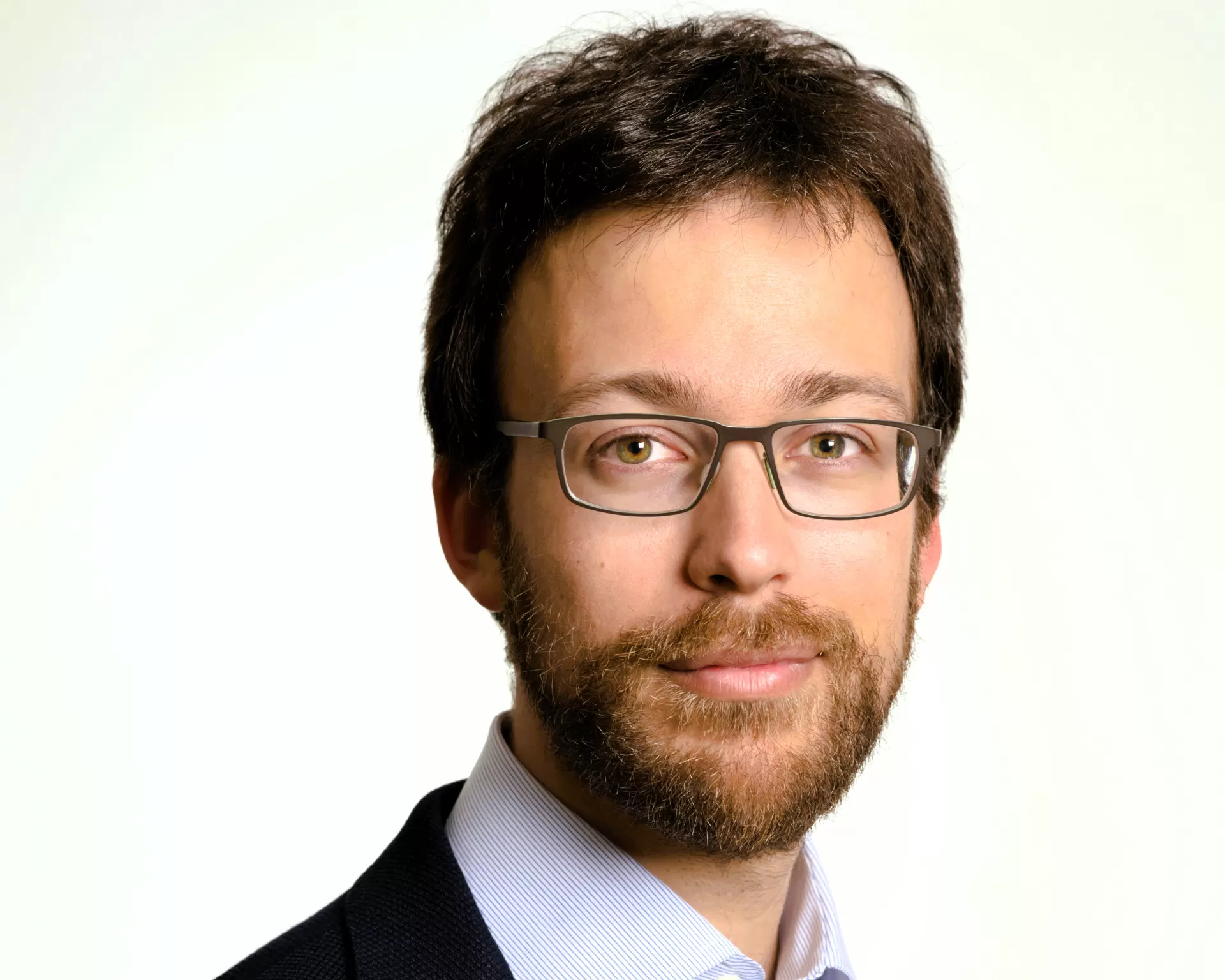
Stefano Mintchev: Interactive drones for agriculture
Stefano Mintchev, a robotics expert, is moving from ETH Zurich to the University of Bonn. His research focuses on robots capable of operating autonomously in complex natural environments. Using soft materials, tactile sensing, and intelligent control, he creates aerial robots that can detect obstacles, tolerate collisions, and interact safely with delicate plants, fruits, and leaves. At the University of Bonn, he will advance interactive drone technologies for agriculture, environmental monitoring, and biodiversity research. These systems will be designed to collect environmental DNA (eDNA), detect plant-emitted volatile compounds directly in the field, and gather high-resolution information from crops and natural ecosystems. In the long term, this work is expected to improve biodiversity monitoring, facilitate the early detection of pests, and enable new applications in precision agriculture, such as targeted harvesting and the automated monitoring of crop health and quality.
Johannes Gutenberg University Mainz
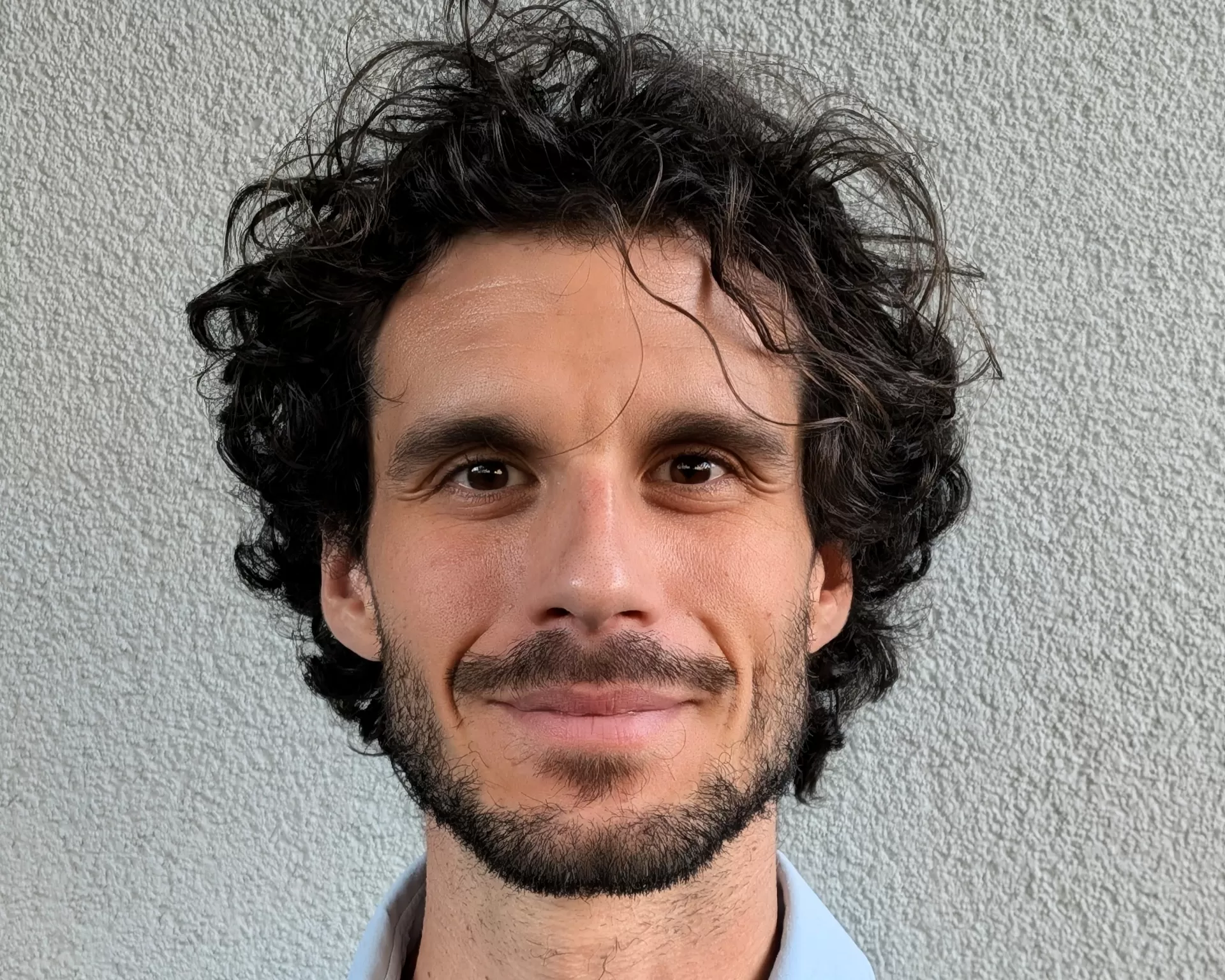
Emanuele Penocchio: Turning molecules into engines
Understanding thermodynamics unlocked the steam engine and powered the First Industrial Revolution. Today, artificial molecular machines point toward a possible “nano-industrial revolution.” Yet the theory needed to design them is still missing. Established models describe chemistry at equilibrium, whereas molecular machines, like living cells, function only far from it. Progress, therefore, still depends largely on serendipity and intuition. Emanuele Penocchio is coming to Mainz to close this gap. Joining from the Institute of Supramolecular Science and Engineering in Strasbourg, where he holds a Marie Skłodowska-Curie Postdoctoral Fellowship, and after several years at Northwestern University in the United States, he will develop methods to predict and program chemical processes far from equilibrium. He will develop the theoretical and computational methods required to systematically predict, design, and program chemical processes under nonequilibrium conditions. The payoff ranges from more efficient catalysts and cleaner, electrified chemical manufacturing to materials that harness energy from their environment. In short, Penocchio aims to write the first design rules for a chemistry that, like life, never settles down.
University of Bremen
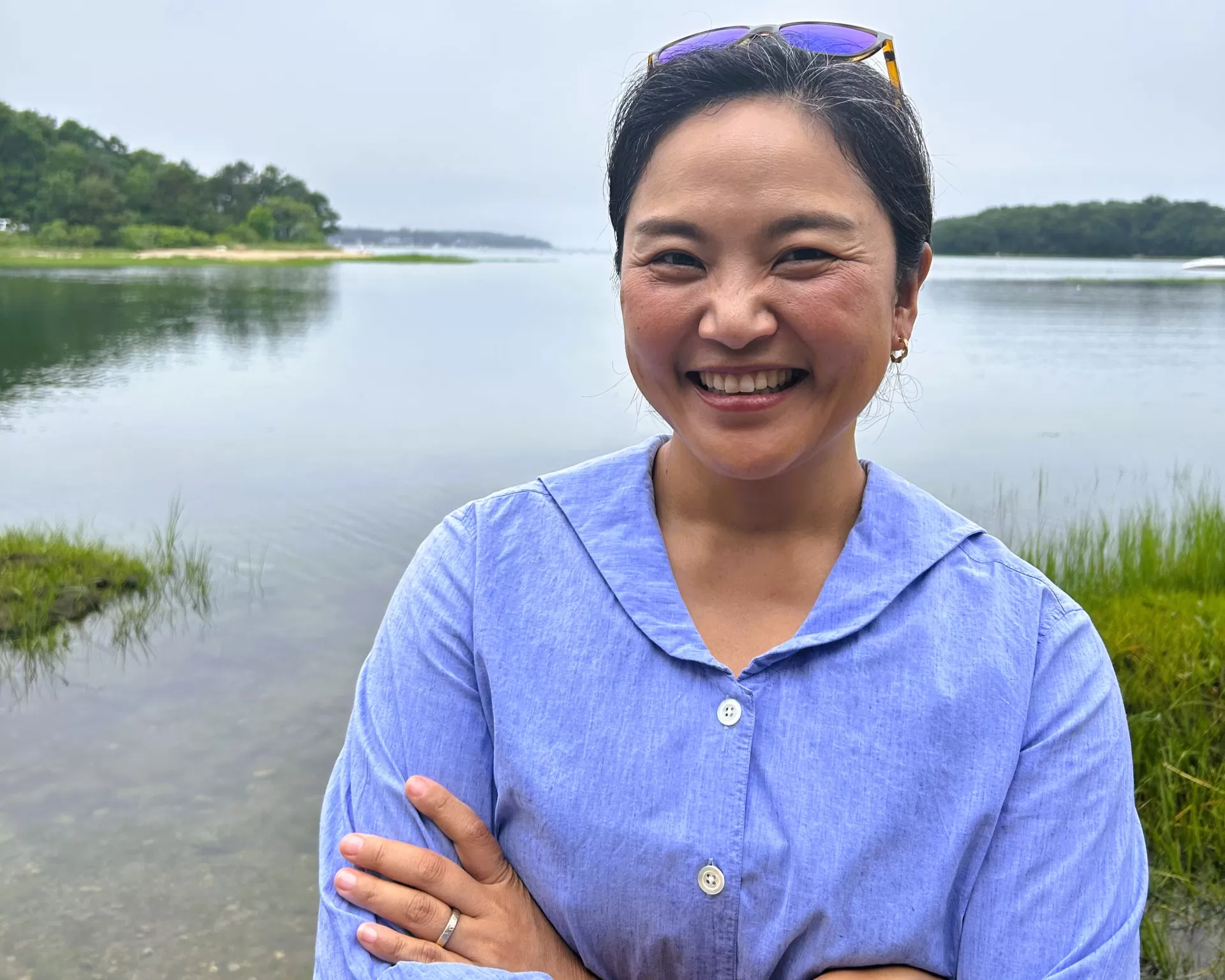
Masako Tominaga: Exploring the ocean floor
Marine geophysicist Masako Tominaga from the renowned Woods Hole Oceanographic Institution is joining the Faculty of Geosciences and the MARUM Center for Marine Environmental Sciences at the University of Bremen as Professor in Marine Geology. MARUM hosts the Ocean-Floor Cluster of Excellence, which will strongly benefit from Tominaga’s expertise. In oceanography, our knowledge remains limited, as less than 30 percent of ocean basins have been mapped and their data deciphered. Even in the era of big data, AI and machine learning, as well as sophisticated laboratory experiments, we still depend on new data obtained in the deep sea. Tominaga is one of the leading and most dedicated marine researchers in her field and has logged one of the highest numbers of days at sea among researchers of her generation. Her research focuses on the structure of the seafloor and sub-seafloor, and on deep-ocean processes that influence the oceans, the climate, and marine ecosystems. At the heart of her work is the question of how heat, water, and chemical substances are transported through the Earth’s crust beneath the ocean, and what environmental consequences these processes have across different scales of space and time. Using advanced deep-sea technologies as well as geophysical and geochemical measurements, she aims to uncover previously hidden processes in the deep ocean and other extreme environments. These include hydrothermal vents, ice-covered polar regions, and even ocean worlds beyond Earth. Her studies deepen our understanding of fundamental Earth-system processes while also driving technological innovation in ocean research.
About the Foundation
Wübben Stiftung Wissenschaft, a private grant-making foundation based in Berlin, strengthens Germany’s position as a center for science and research. It supports leading international researchers and assists universities with strategic appointments. Through its grant programs, it enhances the international visibility and competitiveness of German universities.
