Curious Minds
Here you will find an overview of the Curious Minds who are making a difference, whether as professors or fellows, and who are supported by Wübben Stiftung Wissenschaft.
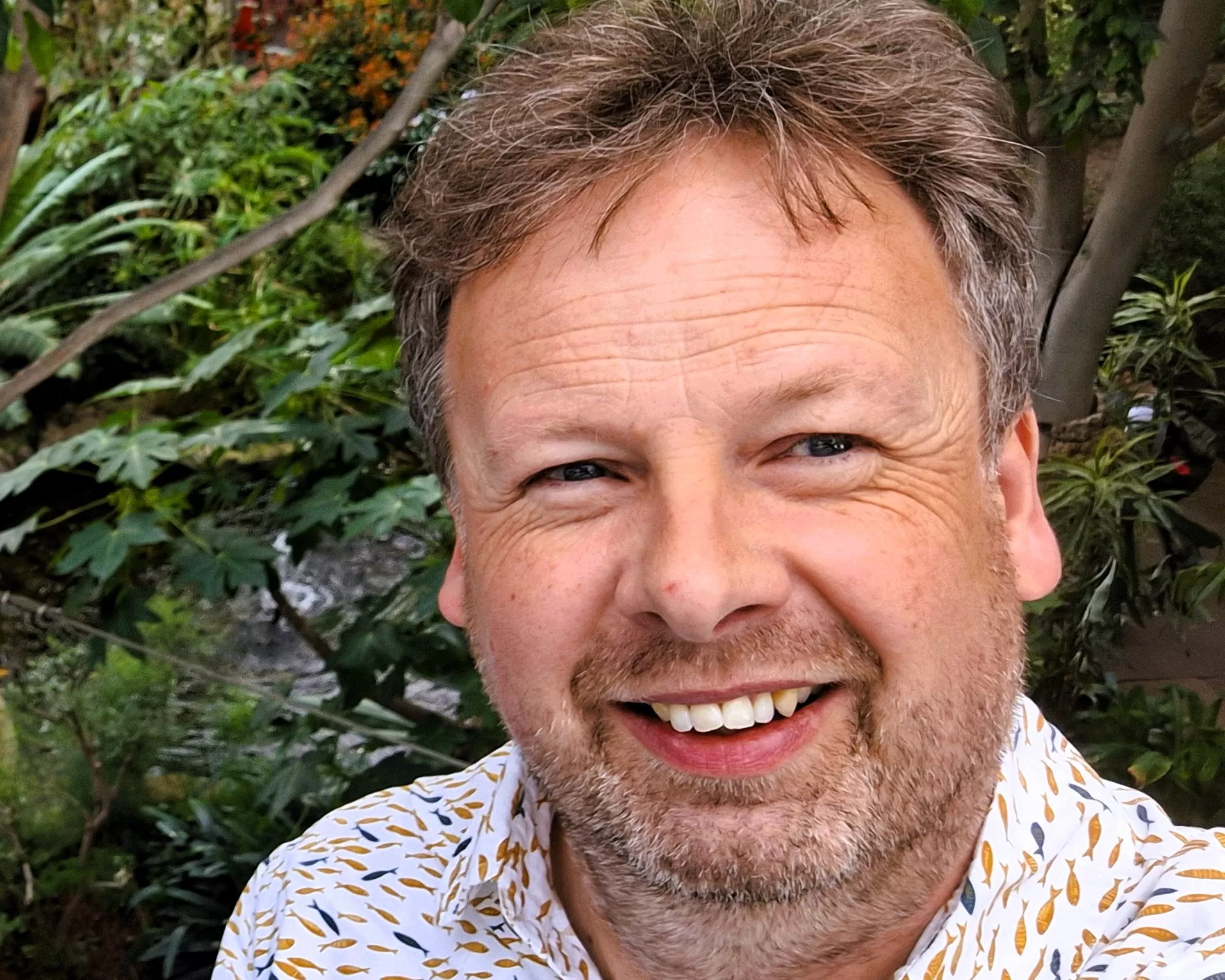
Bielefeld University
Gert Aarts: From strongly interacting matter to machine learning and back
How does matter behave under extreme conditions when its constituents interact very strongly with one another? This is one of the major unresolved questions in physics. To help answer it, Bielefeld University has appointed theoretical physicist Gert Aarts from Swansea University. He uses the theory of Quantum Chromodynamics (QCD) to explain the interactions between the fundamental building blocks of matter. However, the predictions of QCD often cannot be calculated using simple mathematical methods. As a result, sophisticated simulations on powerful supercomputers are required. More recently, artificial intelligence has emerged as a powerful new tool in this field. Aarts is developing generative AI methods to complement established Monte Carlo simulation techniques, enabling new approaches to studying strongly interacting matter. At the same time, he explores how ideas from theoretical physics can inspire the development of next-generation AI methods, creating a productive exchange between fundamental physics and artificial intelligence.
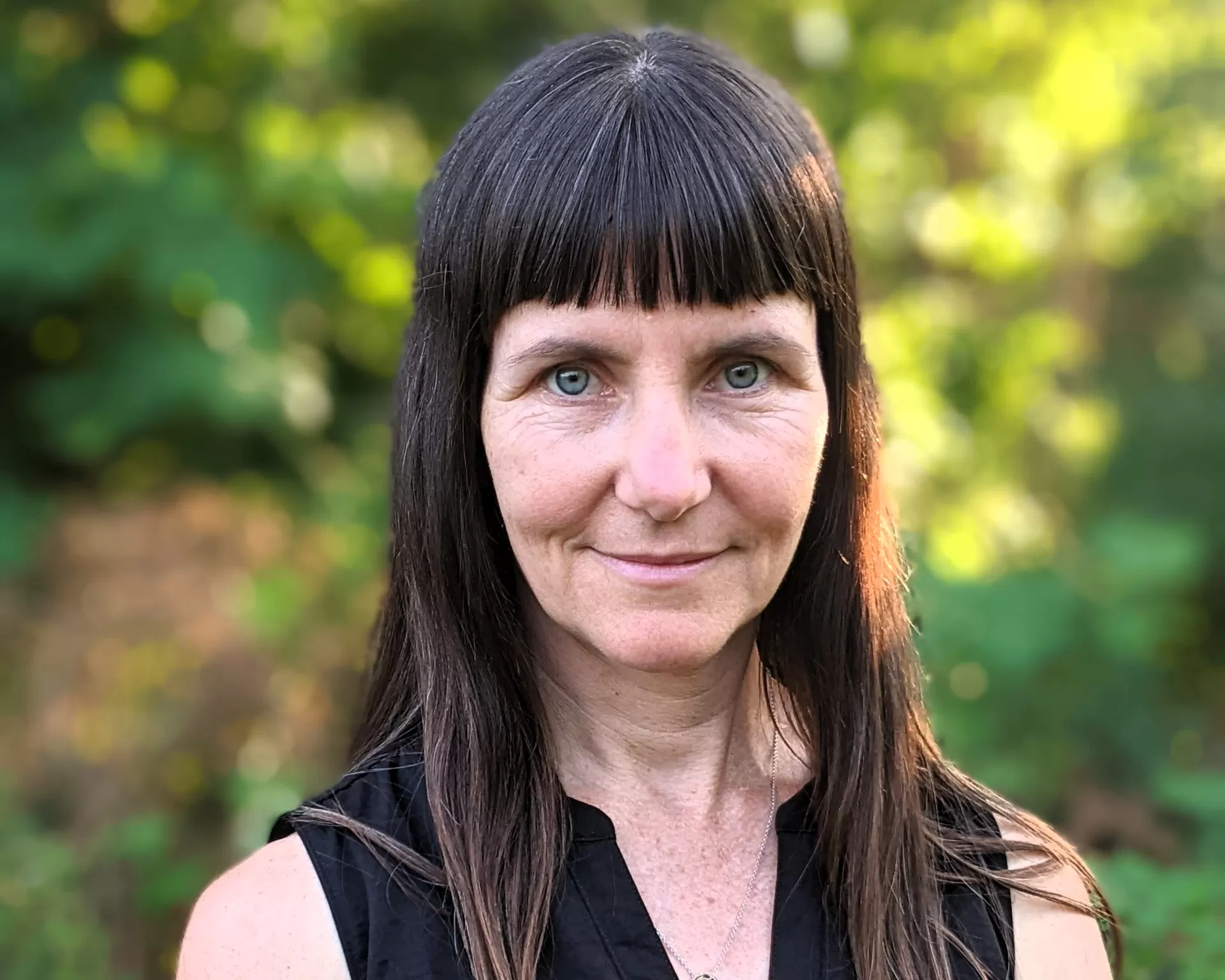
Johannes Gutenberg University Mainz
Sinead English: Life history and evolutionary responses to environmental change
Evolutionary biologist Sinead English is moving from the University of Bristol to Johannes Gutenberg University Mainz. Her research focuses on how environmental conditions across life stages and generations influence health, reproduction, and disease transmission. Her work bridges evolutionary biology, public health, and climate science. By combining theoretical models, experiments, and comparative studies, she investigates the evolutionary dynamics of pregnancy, the effects of prenatal stress, and the life histories of disease vectors. Her research goals are, first, to develop new insights into life history evolution and, second, to explore its relevance for global challenges, including how animals will cope with rapid environmental change.
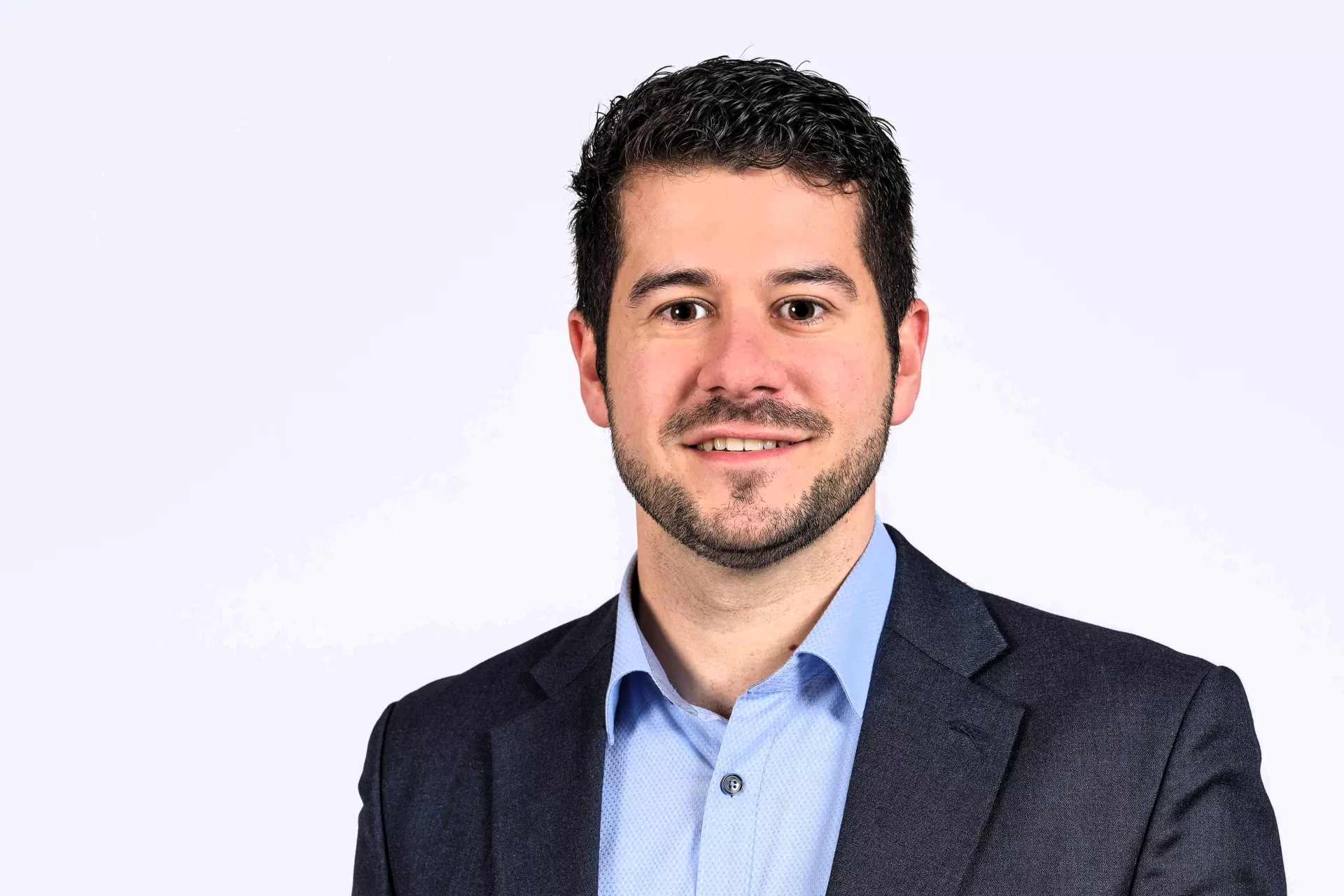
Technical University of Munich
David Finken: Creating value through technological innovation
Starting in December 2025, David Finken will establish the newly created tenure-track professorship for Marketing & Technology at TUM. The position is interdisciplinary in nature, combining insights from social psychology and organizational science with practical applications. The goal is to provide concrete recommendations for decision-makers and to demonstrate how innovations through immersive technologies and artificial intelligence can be harnessed profitably. David Finken’s academic career includes positions at prestigious institutions in the United States, South Korea, Switzerland, and France. In addition, he brings extensive industry experience and participates in projects that promote knowledge transfer between academia, business, and society.
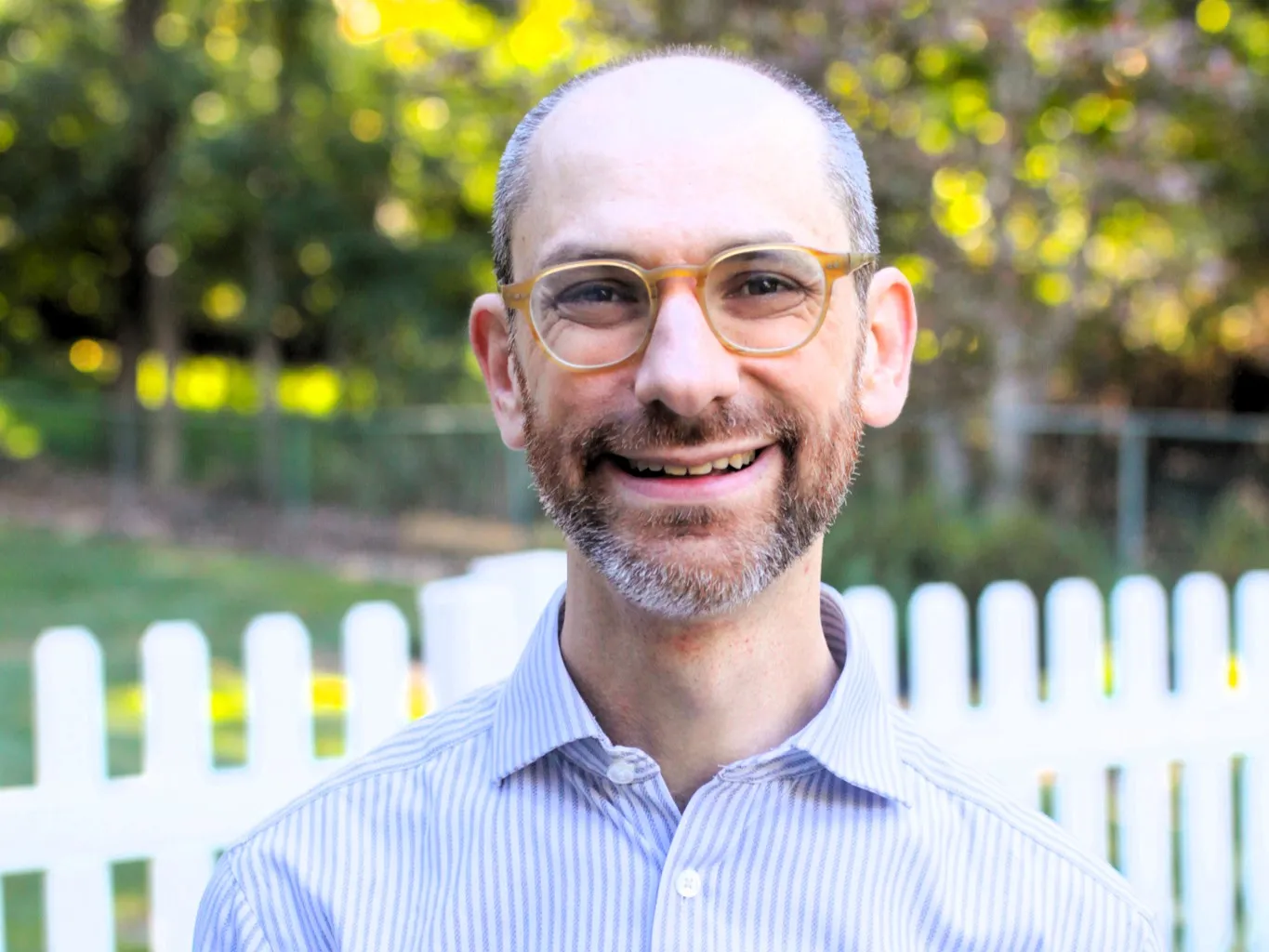
Rheinland-Pfälzische Technische Universität Kaiserslautern-Landau
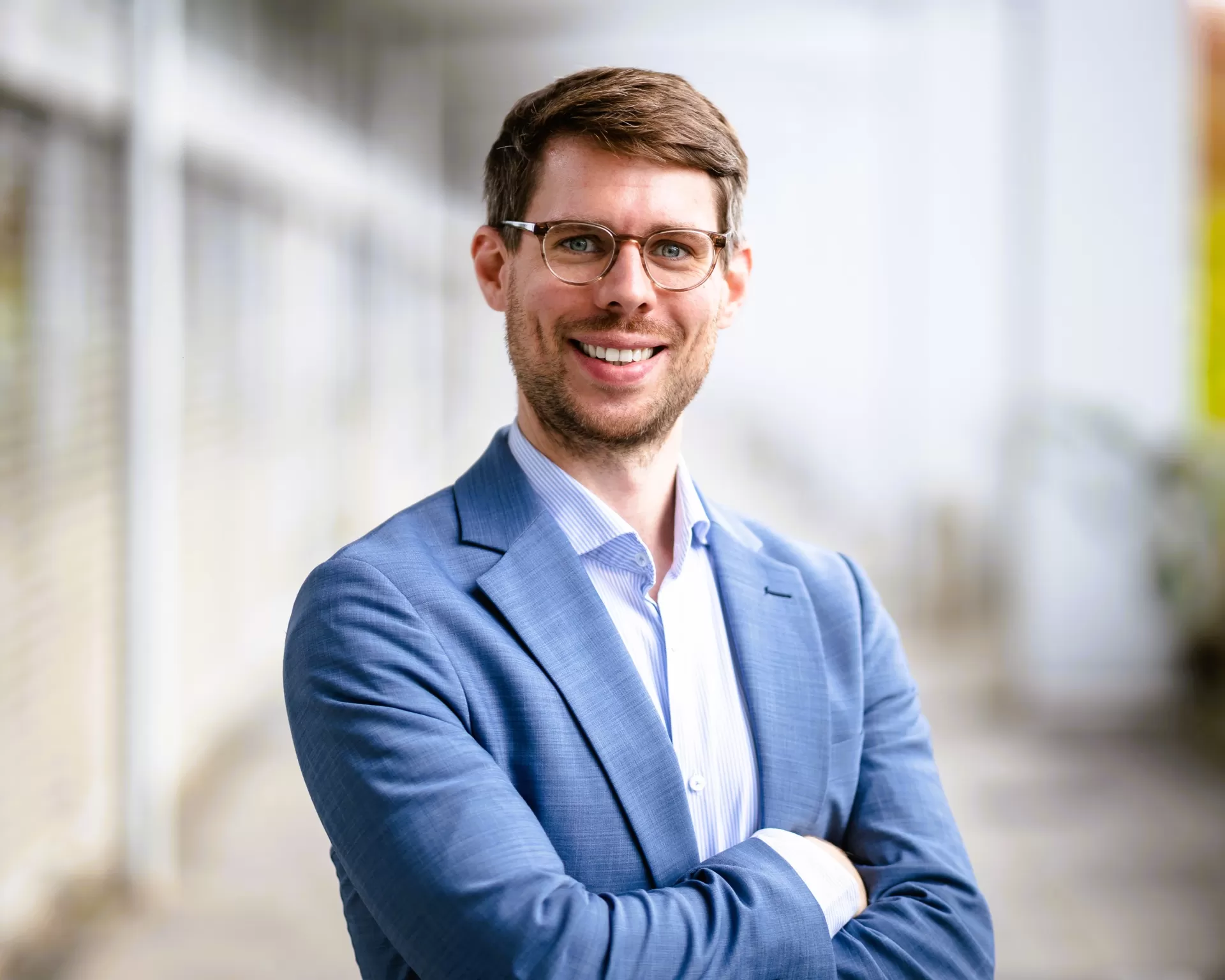
Seth Flaxman: Data and modelling for better policy decisions
Seth Flaxman, an expert in computational statistics, artificial intelligence, and data-driven policy analysis, is moving from the University of Oxford to RPTU. His research aims to investigate how artificial intelligence can be used responsibly, transparently, and fairly in areas of major societal importance. The goal is to improve the evaluation of public policies and generate new insights into health, food security, demography, and social inequality. His work combines methodological research with applications in global and population health, epidemiology, and environmental science. Seth Flaxman gained international recognition for his work modelling the COVID-19 pandemic. His study on the impact of non-pharmaceutical interventions against COVID-19 in Europe is among the most cited publications in the field and has influenced policy decisions around the world. Before the pandemic, he published influential papers on a “right to explanation” of AI and on filter bubbles and echo chambers online.
Technical University of Dortmund
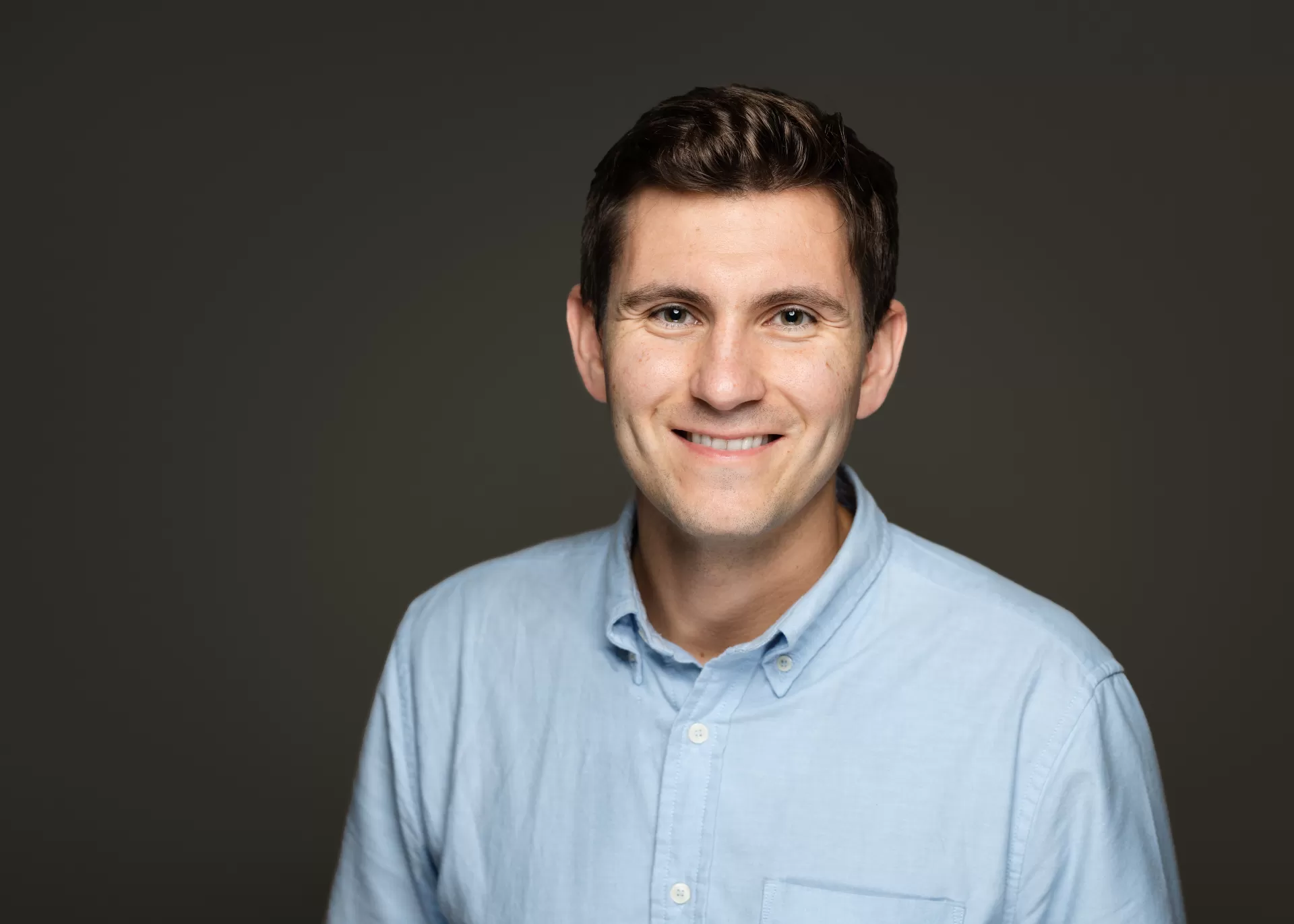
Matthias Grotevent: Nanomaterials for the energy transition
The chemist Matthias Grotevent develops innovative nanomaterials for the energy transition and miniaturized optical technologies. His research could fundamentally simplify the production of nanomaterials, enable more powerful and cost-effective solar cells, and open up new applications in wearable electronics and small satellites. Among other long-term goals, he plans to develop a fully miniaturized infrared spectrometer that achieves the sensitivity required for everyday use and can be integrated into smartphones. Grotevent combines excellent basic research with industry experience. He conducted research at ETH Zurich, the Swiss research institute Empa, and the Massachusetts Institute of Technology (MIT) in the group of Chemistry Nobel laureate Moungi G. Bawendi. Before moving to Dortmund, he was Director of Research at a U.S. startup company specializing in flexible solar modules.
Marburg University
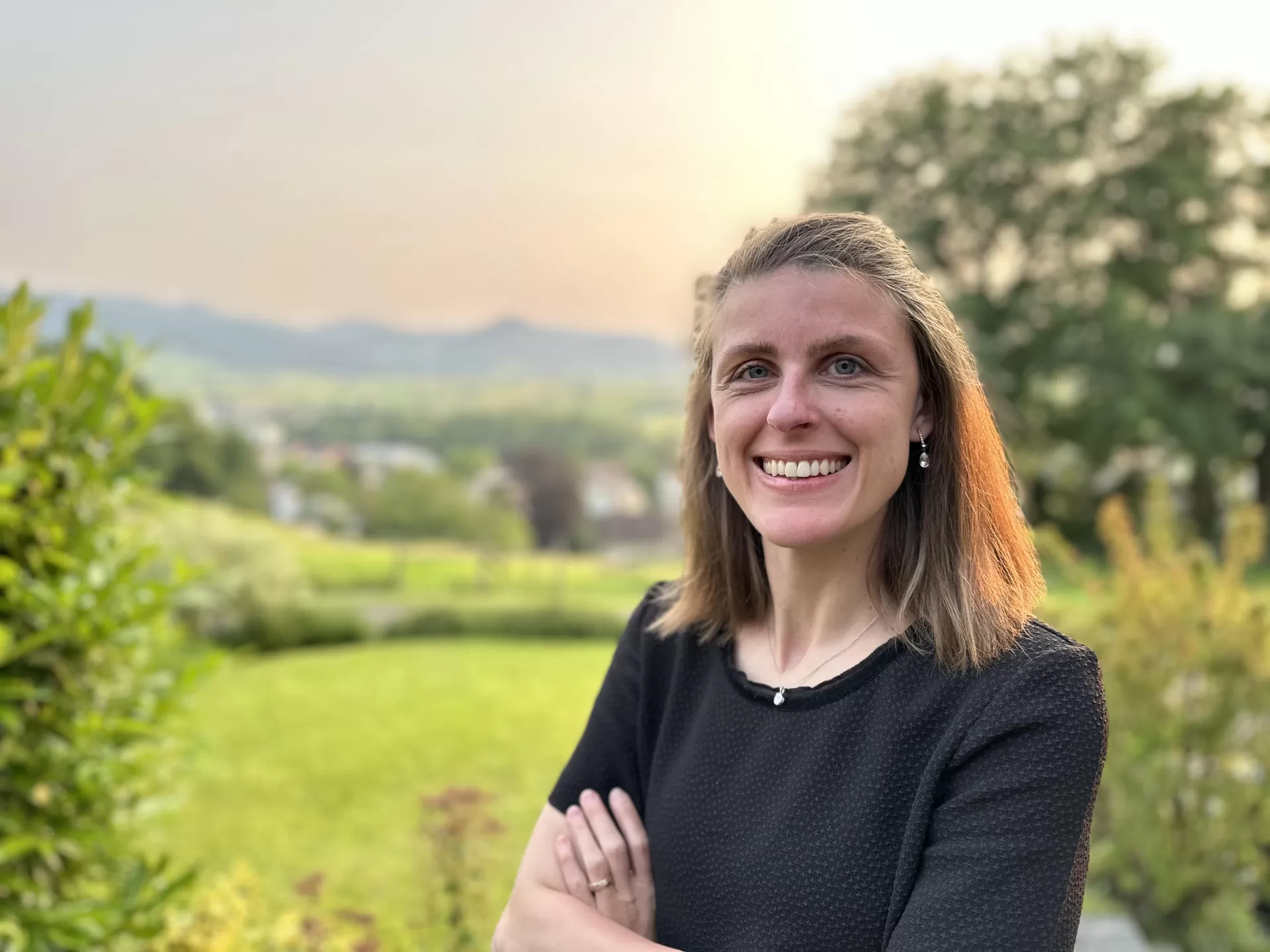
Nadine Leisgang: Quantum materials
The professorship assumed by the physicist Nadine Leisgang is also devoted to quantum research. She will be working at Marburg University, researching novel quantum systems based on extremely thin, “two-dimensional” materials. These can be stacked in layers like building blocks and are characterized by their exceptionally intense light interactions. They are consequently well suited for optoelectronic applications – such as particularly small light-emitting diodes or quantum communication components. Her research requires highly specialized equipment for the production, structuring, and analysis of these materials. Leisgang has received a number of awards and can look back on more than ten years’ involvement in international research. Most recently, she has been working as a postdoctoral research fellow at Harvard University.
University of Bonn
Stefano Mintchev: Interactive drones for agriculture
Stefano Mintchev, a robotics expert, is moving from ETH Zurich to the University of Bonn. His research focuses on robots capable of operating autonomously in complex natural environments. Using soft materials, tactile sensing, and intelligent control, he creates aerial robots that can detect obstacles, tolerate collisions, and interact safely with delicate plants, fruits, and leaves. At the University of Bonn, he will advance interactive drone technologies for agriculture, environmental monitoring, and biodiversity research. These systems will be designed to collect environmental DNA (eDNA), detect plant-emitted volatile compounds directly in the field, and gather high-resolution information from crops and natural ecosystems. In the long term, this work is expected to improve biodiversity monitoring, facilitate the early detection of pests, and enable new applications in precision agriculture, such as targeted harvesting and the automated monitoring of crop health and quality.
Hertie School
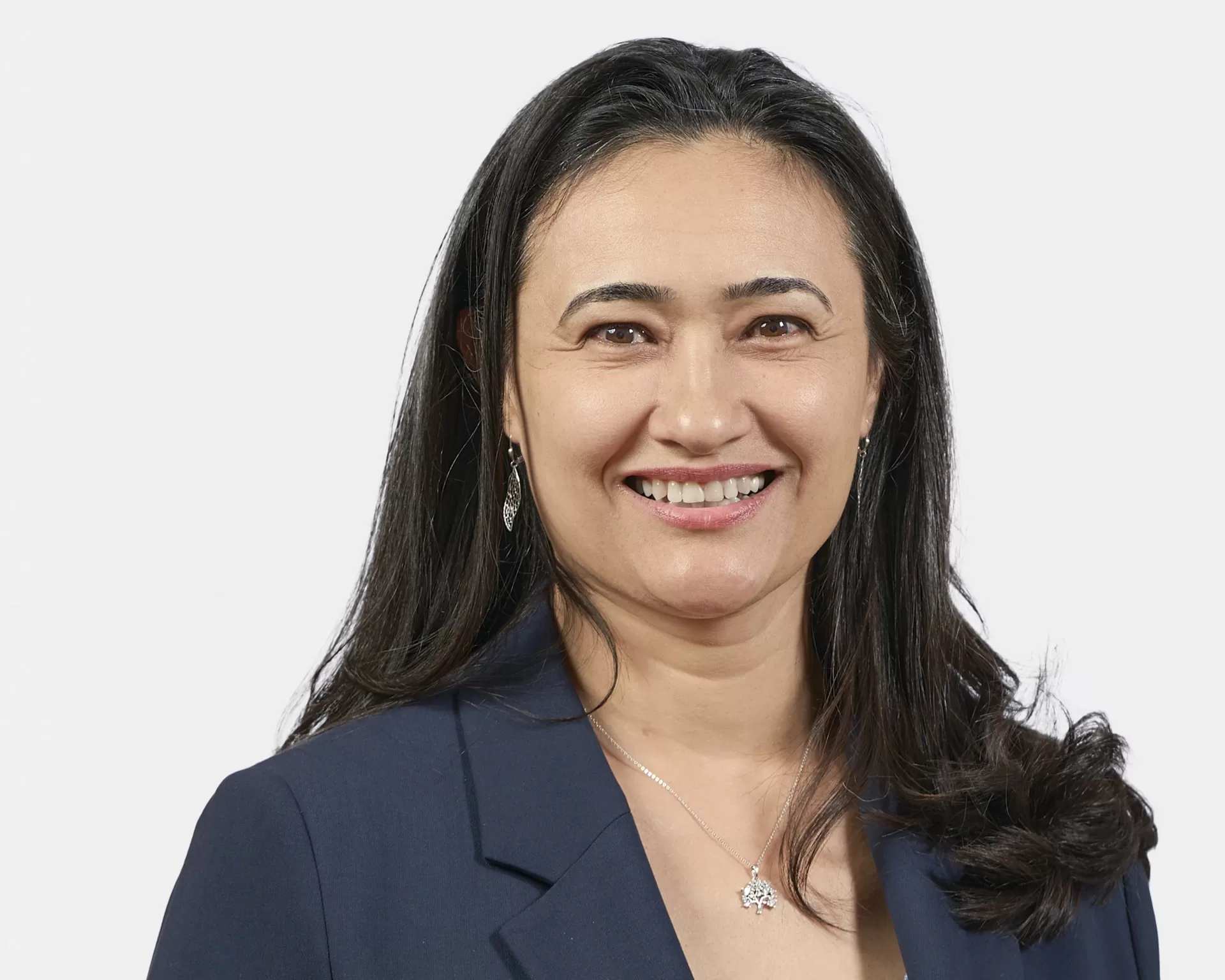
Violeta Moreno-Lax: Value conflicts
Violeta Moreno-Lax, a world-leading expert in international and EU law, has moved to the Hertie School in Berlin, where she has been appointed Professor of International Law and Director of the Centre for Fundamental Rights (CFR). As the CFR’s Director, Moreno-Lax will engage in research on value conflicts at the international level – one of the key global fault lines of our time. Values shape political debates, influence election outcomes, and affect the stability of political systems. Violeta Moreno-Lax intends to analyze these dynamics from legal, political, and ethical perspectives – with a particular focus on migration. She was Professor of Law at Queen Mary University of London, where she founded the (B)OrderS Centre for the Legal Study of Borders, Migration and Displacement. Before moving to the Hertie School, she held the ICREA Research Professorship in International and European Law at the University of Barcelona. Her work has been cited by leading courts, including the Court of Justice of the European Union and the Belgian Council of State.
Johannes Gutenberg University Mainz
Emanuele Penocchio: Turning molecules into engines
Artificial molecular machines point toward a possible “nano-industrial revolution.” Yet the theory needed to design them is still missing. Established models describe chemistry at equilibrium, whereas molecular machines, like living cells, function only far from it. Progress, therefore, still depends largely on serendipity and intuition. Emanuele Penocchio is coming to Mainz to close this gap. Joining from the Institute of Supramolecular Science and Engineering in Strasbourg, where he holds a Marie Skłodowska-Curie Postdoctoral Fellowship, and after several years at Northwestern University in the United States, he will develop methods to predict and program chemical processes far from equilibrium. He will develop the theoretical and computational methods required to systematically predict, design, and program chemical processes under nonequilibrium conditions. The payoff ranges from more efficient catalysts and cleaner, electrified chemical manufacturing to materials that harness energy from their environment.
Charité – Universitätsmedizin Berlin
Julian Thayer: Rethinking the heart and the mind
With the support of Wübben Stiftung Wissenschaft, internationally renowned psychophysiologist Julian F. Thayer has joined Charité – Universitätsmedizin Berlin. He took up the Professorship for Psychological Science and Psychophysiology in April 2026. Thayer has published more than 700 scientific papers, has been cited over 80,000 times according to Google Scholar, and has received numerous awards. In 2023, he was elected to the National Academy of Medicine in the United States. Julian Thayer is considered a pioneer of translational approaches that have a direct impact on patient care. His appointment strengthens Charité’s global leadership at the intersection of mental and physical health, and his research is of great relevance to society.
University of Bremen
Masako Tominaga: Exploring the ocean floor
Marine geophysicist Masako Tominaga from the renowned Woods Hole Oceanographic Institution is joining the Faculty of Geosciences and the MARUM Center for Marine Environmental Sciences at the University of Bremen as Professor in Marine Geology. In oceanography, our knowledge remains limited, as less than 30 percent of ocean basins have been mapped and their data deciphered. Tominaga is one of the leading and most dedicated marine researchers in her field. Her research focuses on the structure of the seafloor and sub-seafloor, and on deep-ocean processes that influence the oceans, the climate, and marine ecosystems. At the heart of her work is the question of how heat, water, and chemical substances are transported through the Earth’s crust beneath the ocean, and what environmental consequences these processes have across different scales of space and time. Using advanced deep-sea technologies as well as geophysical and geochemical measurements, she aims to uncover previously hidden processes in the deep ocean and other extreme environments. Her studies deepen our understanding of fundamental Earth-system processes while also driving technological innovation in ocean research.
University of Duisburg-Essen
Erna Wieduwilt: Degrading plastic with copper enzymes
The chemist Erna Wieduwilt will be pursuing research into the enzymatic degradation of plastics at the University of Duisburg-Essen. Her approach integrates crystallography, machine learning, enzymology, and computer-assisted chemistry. She utilizes enzymes that break down biomass and are also able to split synthetic polymers – the goal being to develop them further for plastic recycling. Her innovative work holds out the prospect of significant progress being made in the treatment of the growing volumes of plastic waste. Wieduwilt most recently worked as a postdoctoral fellow at the University of Southern Denmark under a Marie Skłodowska-Curie Fellowship. She gained her PhD at the University of Lorraine in France. Alongside support from Wübben Stiftung Wissenschaft, the Returning Scholars Program of the State of North Rhine-Westphalia has helped fund her appointment.