Mind the gap
World-class researchers stand for excellence and competitive strength. In order to attract as many of them to Germany as possible, universities need to ensure international appointments are integrated into their organizational structures. This is the only way for them to stop being an exception and start being the norm. An appeal by Marion Müller, a member of the Management Board of Wübben Stiftung Wissenschaft.
Terms like internationalization and cosmopolitanism are standard in German university strategies. And taglines like “Excellence through diversity” and even “Global minds” are not uncommon. There is a great deal of interest in global excellence, but when it comes to international appointments, we find a paradox: Despite being desirable both politically and strategically, international appointments are still the exception. In 2023, foreigners accounted for just 10.7 percent of professors at German universities, and this statistic does not differentiate between professors who were recruited from abroad through international efforts and foreign citizens who were already resident in Germany at the time of their appointment. If we look at all higher education institutions, including those specializing in applied sciences, art, and music, the proportion of international professors was actually lower, at 8 percent.
There is a gap between aspiration and reality that could weaken Germany's position as a center of science in the long term.
This means there is a gap between aspiration and reality that could weaken Germany as a global hub for research and scholarship in the long term. Despite all the clear declarations about the importance of international talent, when making professorial appointments, we find ourselves navigating structural tensions: We strive for excellence, but insist on “inherently equal processes” and “cultural fit”. We want international diversity, but our appointment committees are often homogeneous. We strive to recruit “the very best”, but often think we know in advance who the best candidates are. We want fair appraisals, but often choose expert assessors who will not question our selection. We want a culture of welcome, but still have a long way to go before international talents find it easy to settle into their new roles and lives. We want quick appointments, but our procedures are often protracted by international standards. All of these aspects put international candidates at a disadvantage.
The consequences for Germany could be more far-reaching than we would like. In view of the intensifying global competition for highly skilled workers, mobile talent can pick and choose the most attractive destination countries. A 2023 OECD study on “Indicators of Talent Attractiveness” reveals that the most successful countries are those that actively try to attract highly skilled workers and offer them unbeatable all-round packages. The chances of highly qualified foreign academics finding jobs that match their skills profiles are not as good in Germany as in other successful OECD countries. If Germany wants to be one of the winners in this field, it needs to approach international appointments systematically and strategically. It is important to have clear targets for international recruitment, internationally compatible appointment procedures, and professional support structures.
Better opportunities for international researchers needed
International academics need better opportunities to launch a career in Germany. This means taking their needs into account in procedures and processes, from writing the job advert to signing the contract – but also afterwards, when the new recruits arrive, settle in, and start their research. When Ella Excellent arrives in Bamberg from Boston, she must be just as well placed to begin her work as Boris Brilliant when he arrives from Bonn – despite the difference in academic systems. This can be tricky in practice, but there are countless examples of successful international appointments at German universities that demonstrate how it can be done.
Universities must create the organizational, structural, and cultural conditions necessary for world-class international appointments to become the rule and enable them to unleash their full impact.
To achieve all this, we need an honest debate about international appointments, and the courage to make changes. International excellence requires institutional willingness. Universities must create the organizational, structural, and cultural conditions necessary for world-class international appointments to become the rule and enable them to unleash their full impact. We need transparent procedures and processes, multilingual administrative structures, and flexible career paths. But we also need an attitude that sees an international profile not as a label, but as a resource, and a culture of welcome that enables scholars from abroad to genuinely take part in German life, and not just within the academic sphere. Only then will German universities be able to live up to their claim of being internationally open and globally competitive. Let’s work together to close the gap!
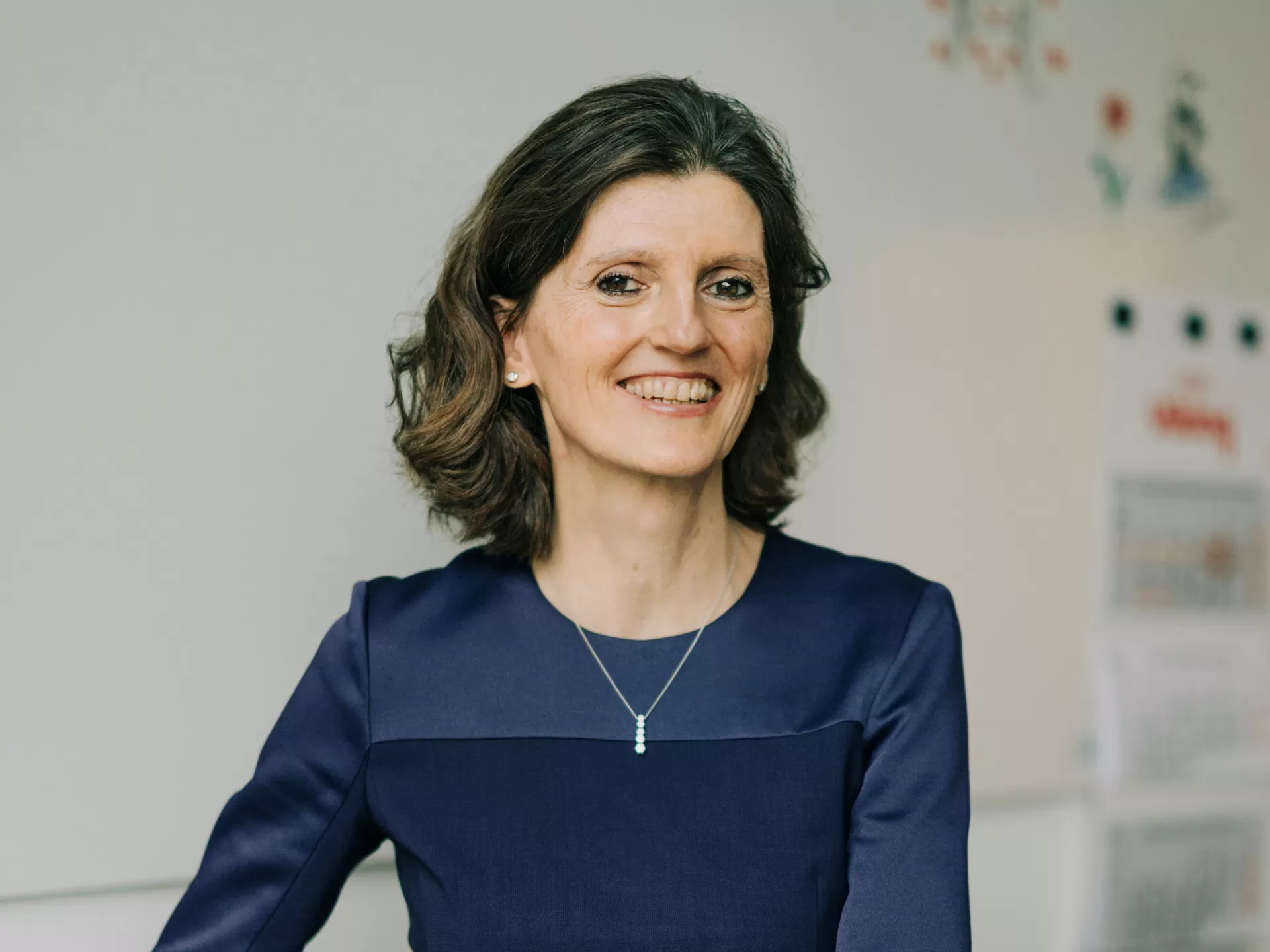
Marion Müller is a member of the Management Board of Wübben Stiftung Wissenschaft. Previously, she worked for 12 years as Managing Director of the Einstein Foundation Berlin. From 2006 to 2010, she headed the North America office of the German Research Foundation (DFG).
