Best Practices in Hiring International Professors
At the end of 2025, Wübben Stiftung Wissenschaft once again invited representatives from six universities to participate in the workshop “Making it Work – Best Practices in Hiring International Professors.” The annual meeting aims to discuss challenges in appointing and integrating international academics and to find practical solutions.
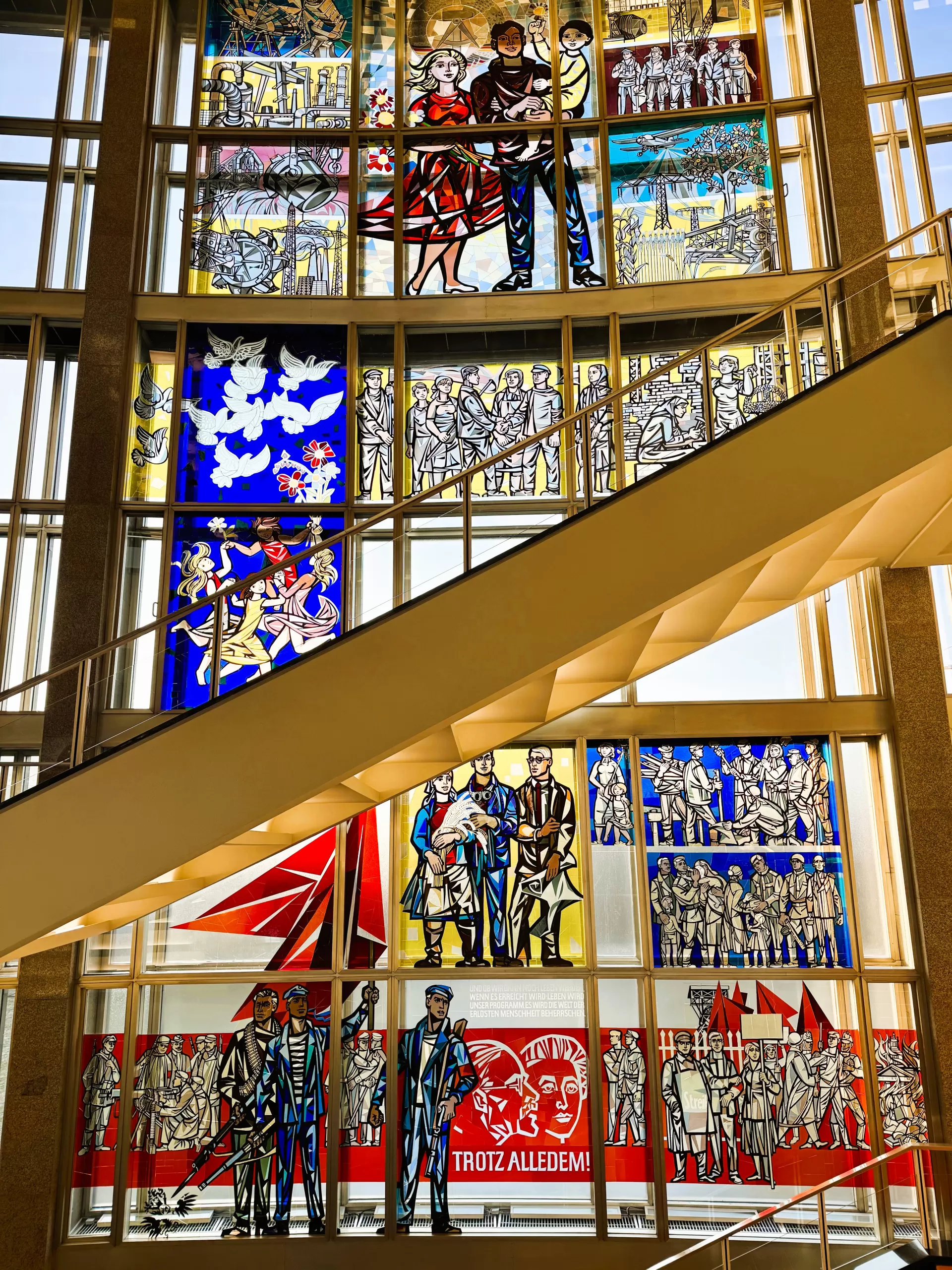
The meeting took place at the end of November 2025 in the former State Council building of the GDR, now the headquarters of the European School of Management and Technology (ESMT). On the eve of the meeting, Hazel Grünewald opened with a varied keynote speech on the topic of “Finding your feet in the German academic system.” The professor of organizational behavior at Reutlingen University highlighted the appeal of the German academic system and shed light on the key challenges that make it difficult for international academics to transfer to German universities. Her in-depth analysis was based on scientific studies and personal experience, providing the ideal introduction to the next day's program.
Geopolitical situation as an opportunity
The foundation's international experts served as catalysts and sparring partners. They contributed external perspectives, best practices, and international benchmarks. They emphasized that the current geopolitical situation presents German universities with a historic opportunity in the international competition for talent. Global shifts in the scientific landscape, changing conditions in traditional destination countries, and new geopolitical uncertainties influenced the decisions of excellent researchers worldwide. Germany's structural strengths in this context are obvious: an efficient science system, guaranteed academic freedom, and attractive living and working conditions. These factors enabled German universities to position themselves as an international destination for excellent scientists.
International recruitment as a core strategic task
Another focus was the state of internationalization at German universities. In addition to progress, existing obstacles were identified that can hinder international appointments and impair competitiveness. Universities should institutionalize international recruitment as a core strategic task. The transition from reactive to systematic, professionally supported recruitment procedures is crucial. Universities that seize this opportunity could strengthen their scientific performance and international visibility and contribute to the resilience of the German science system.
From job postings to dual career opportunities
The participants worked out how job advertisements should be designed to appeal to international candidates. Job advertisements must clearly state expectations, development opportunities, and support services, and make systemic peculiarities transparent. Dual careers were a central topic. The opportunities and limitations of institutional support were discussed, including networking opportunities for partners and services such as career counseling. The importance of structured onboarding tailored to the needs of international researchers was highlighted as crucial for successful integration. Topics included bureaucracy, insurance, taxes, childcare, language and cultural mediation, and the academic work environment. Case studies showed how targeted measures can facilitate the transition.
Long-term institutional change needed
Finally, the necessity of institutional change for successful international recruitment and retention was discussed. The transition from declarations of intent to established processes is central. Successful approaches should be systematically identified, consolidated, and transferred to other areas. It is equally important to mobilize internal allies, create cross-departmental alliances, and maintain the momentum for institutional change in the long term.
The workshop made it clear that attracting and retaining international talent can only be successful if it is understood as a task for the entire institution. Recruiting, dual careers, onboarding, organizational culture, and governance must be considered coherently and continuously developed.
Would you like to participate with your university?
The foundation is once again inviting participants to an exchange of best practices in Berlin on November 19 and 20, 2026. We look forward to receiving your expression of interest at info@w-s-w.org. To participate, universities must form teams of three consisting of a member of the executive board (Präsidium), a representative of the appointment committee, and a member of the international department.