Generative artificial intelligence for biological sequences
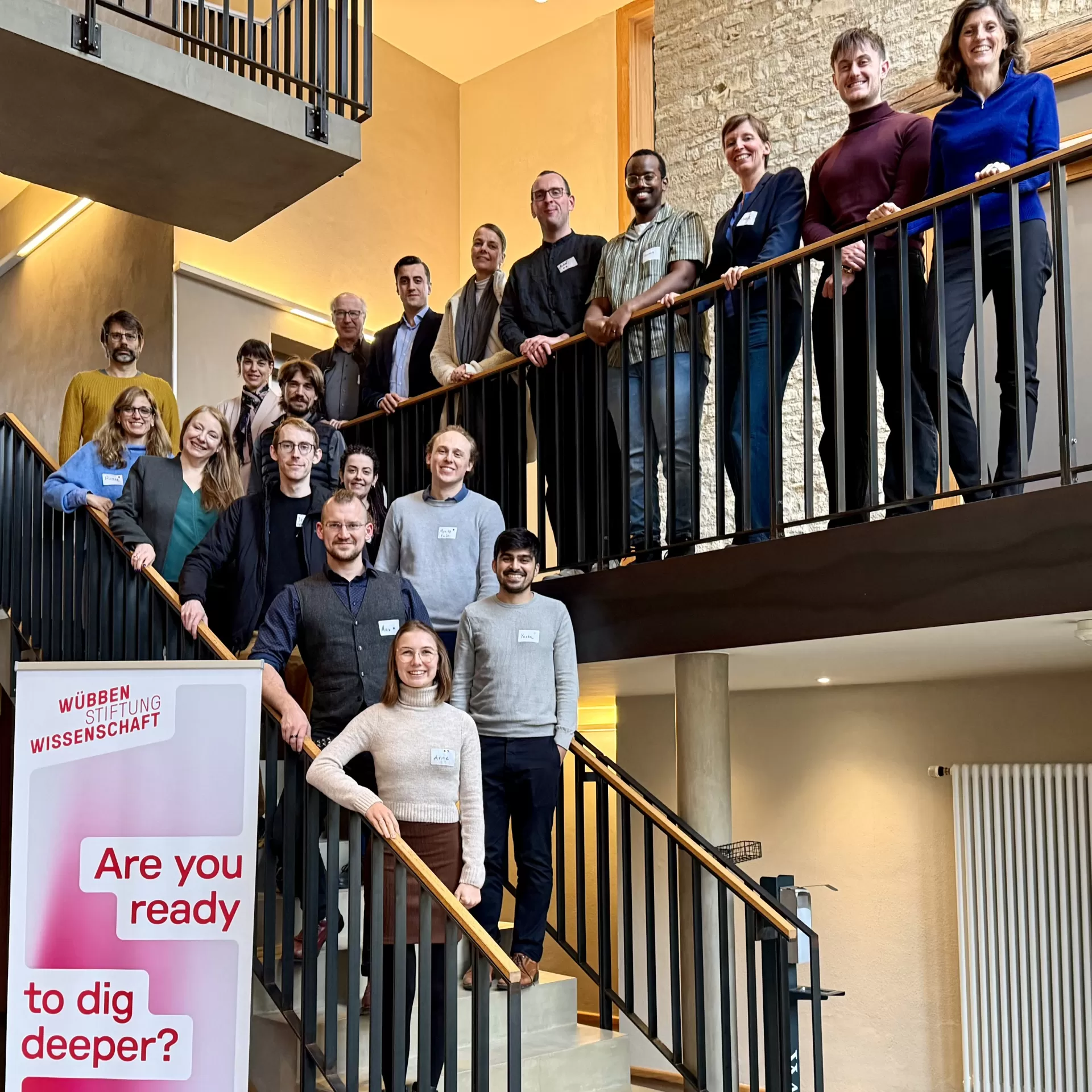
From November 25 to 27, experts from synthetic biology, bioengineering, computer science, medicine, ethics, and policy gathered in Ingelheim for an intensive sandpit workshop funded by Wübben Stiftung Wissenschaft. The workshop focused on the safe use of generative AI for biological sequences.
Generative AI is opening new horizons in molecular design, drug development, and precision medicine. However, it also raises profound safety, security, and ethical concerns. As Maximilian Sprang (Universitätsmedizin Mainz), the workshop’s lead applicant, emphasized: AI-designed biomolecules hold tremendous promise for both medicine and science. Nevertheless, in a worst-case scenario the same models could also be misused to create AI-generated pathogens or toxins. Therefore, responsible innovation and regulation are essential.
Over three days, participants worked across disciplines to:
• Map technical, institutional, and regulatory risk landscapes
• Explore protective mechanisms and safe-by-design approaches
• Develop strategies for responsible, secure deployment of generative models in biology
• Discuss national and global governance options
• Draft policy recommendations for the broader research and policy community
The workshop was hosted by Maximilian Sprang (Universitätsmedizin Mainz), Katharina Ladewig (Robert Koch Institute), Hassan Hassan (Deoxy Tech), and Georges Hattab (FU Berlin, Robert Koch Institute). The team will compile the results into a recommendations paper in the coming months. A big thank you to all the contributors and the moderators for their insights, openness, and commitment to advancing the safe and beneficial uses of AI in the life sciences.
The idea behind the funding format: Inviting researchers and relevant stakeholders to work outside their comfort zone in unconventional constellations in order to generate unorthodox ideas for projects and solutions that set out to tackle highly relevant challenges in today’s society.